If there's one factor that most significantly determines whether an artificial turf installation performs beautifully for its full expected lifespan or develops problems prematurely, it's base preparation. Understanding what proper artificial turf base preparation actually involves helps you recognize quality installation work and appreciate why this often-invisible step matters so much.
Once the visible turf surface is installed, the base beneath it becomes completely hidden from view. However, this foundation layer directly determines drainage performance, surface evenness, and long-term stability, making it arguably the single most important factor in overall installation quality, despite being the aspect most easily overlooked by homeowners evaluating a project.
1. Removing Existing Vegetation and Topsoil
The installation area is cleared of existing grass and, typically, a layer of topsoil, creating a clean foundation for the base material that follows.
2. Grading for Proper Drainage
The exposed soil is graded to ensure water will flow appropriately away from the area rather than pooling, an essential step that affects long-term drainage performance regardless of what's installed above it.
3. Installing a Weed Barrier
A fabric barrier is typically placed over the graded soil to prevent future weed growth from pushing up through the turf system.
4. Adding and Compacting Base Material
Crushed stone or a similar aggregate material is added in layers, with each layer properly compacted before the next is applied, creating a stable, well-draining foundation.
5. Fine Grading the Compacted Base
A final grading pass ensures the compacted base material is properly leveled and shaped, providing the smooth, even surface needed for the turf itself to look and perform well once installed.
Uneven Surface Appearance
Inadequate grading or compaction can lead to a bumpy, uneven turf surface that's both visually unappealing and potentially creates trip hazards.
Drainage Problems
Poor base preparation is one of the most common causes of standing water issues after installation, undermining one of artificial turf's key practical advantages over natural grass.
Premature Settling
Insufficiently compacted base material can settle unevenly over time, leading to depressions or uneven areas developing well after the initial installation appeared successful.
Reduced Overall Lifespan
Since the base supports everything installed above it, inadequate preparation can shorten your turf's effective lifespan, even if the turf product itself is high quality.
Because base preparation happens before the visible, appealing final product is installed, and because it requires more time, equipment, and labor than simply laying turf over inadequately prepared ground, this is unfortunately an area where lower-quality installers sometimes cut corners to save time and cost, resulting in a lawn that looks fine initially but develops problems within a relatively short time.
Texas Clay Soil Considerations
Given the expansive clay soil common throughout much of Tyler, TX and the surrounding area, base preparation needs particular attention to drainage design, since this soil type doesn't drain as readily as sandier soil types found elsewhere.
Why Local Experience Matters
An installer with specific experience working with local soil conditions is better equipped to design an appropriately robust base system for your particular property compared to a generic, one-size-fits-all approach.
Even, Consistent Surface
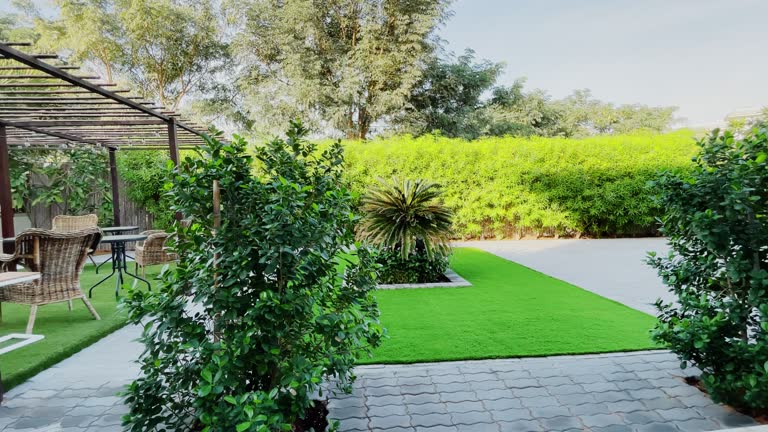
A properly prepared base results in a smooth, level turf surface without noticeable bumps, dips, or uneven areas.
No Standing Water After Rain
Quality base preparation and drainage design should result in water passing through and away from the turf system effectively, without pooling issues developing after rainfall.
Long-Term Stability
A well-prepared base should show no signs of settling or unevenness developing months or years after the original installation.
While you'll never see the base preparation work once your artificial turf installation is complete, this hidden foundation is genuinely the most important factor determining whether your new lawn performs beautifully for 15 to 25 years or develops disappointing problems within just a few seasons.

Ready to invest in artificial turf with proper base preparation built for Texas soil conditions? Contact Breaking Ground Outdoor Services for a professional consultation.