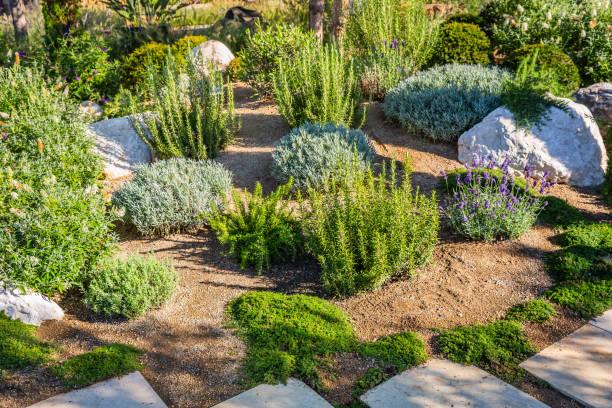
Texas summers bring intense heat and long stretches without rain, which makes plant selection one of the most important decisions in any landscape design. Choosing drought-tolerant plants isn't just about saving water — it's about creating a landscape that stays healthy and attractive without constant intervention. This guide covers some of the best drought-tolerant plants for Texas landscapes and how to incorporate them into your design.
Texas heat, combined with occasional watering restrictions during peak summer months, puts significant stress on landscapes filled with high-water-demand plants. Drought-tolerant plants are specifically suited to thrive with minimal supplemental watering once established, making them a smart choice for both sustainability and long-term maintenance ease.
A landscape built around drought-tolerant plants typically requires less watering, fertilizing, and general upkeep, while still delivering strong visual appeal throughout the growing season.
Texas Sage (Cenizo)
A hardy, silver-leafed shrub that produces purple blooms after rain. Texas Sage is extremely drought-tolerant once established and adds beautiful texture and color contrast to a landscape.
Yucca
With its bold, architectural form, yucca thrives in hot, dry conditions and requires very little water once established, making it a popular structural element in drought-tolerant designs.
Lantana
A colorful, low-maintenance flowering plant that tolerates heat and drought exceptionally well, providing continuous color through much of the growing season.
Black-Eyed Susan
A native Texas wildflower that handles heat and dry conditions with ease, offering cheerful yellow blooms that attract pollinators.
Salvia (Autumn Sage)
Known for its vibrant blooms and strong drought tolerance, salvia is a favorite among Texas landscape designs for adding consistent color with minimal water needs.
Ornamental Grasses
Varieties like Mexican Feather Grass and Little Bluestem add movement and texture to a landscape while requiring very little supplemental water once established.
Agave
A striking succulent that thrives in full sun and requires minimal water, often used as a focal point in xeriscape-style landscape designs.
Group Plants by Water Needs
A key principle in landscape design is grouping plants with similar water requirements together, allowing for more efficient irrigation and reducing the risk of over- or under-watering specific areas.
Use Mulch Strategically
Mulch helps retain soil moisture around drought-tolerant plants, reducing water loss from evaporation and helping regulate soil temperature.
Balance With Hardscape
Combining drought-tolerant plants with hardscape features like pavers, retaining walls, or gravel beds creates a landscape that's both visually striking and water-efficient.
Consider Native Varieties
Native Texas plants are naturally adapted to local soil and climate conditions, often requiring less maintenance than non-native alternatives.
Incorporating drought-tolerant plants into your landscape design isn't about sacrificing beauty for practicality — it's about creating a resilient, low-maintenance landscape that thrives in Texas conditions year after year. With the right plant selection and design approach, your yard can stay vibrant even during the hottest, driest stretches of summer.

Ready to design a beautiful, drought-tolerant landscape for your property? Contact Breaking Ground Outdoor Services to start your custom landscape design plan.