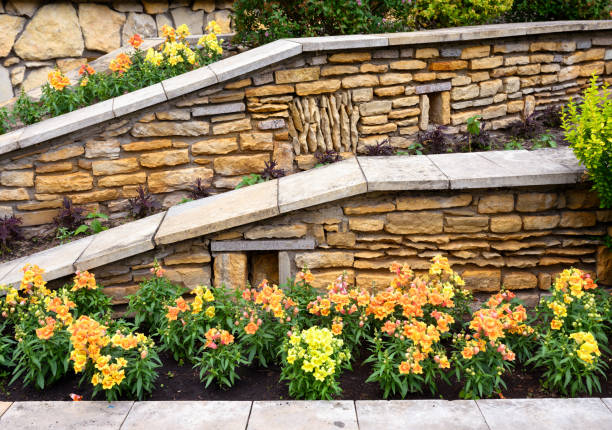
While a retaining wall can technically be built at any point during the year, certain seasons offer more favorable construction conditions than others, particularly given Texas's specific climate patterns. Understanding the best time of year to build a retaining wall helps you plan a smoother construction process and potentially better long-term results.
Weather conditions during construction affect several practical aspects of building a retaining wall, from how workable the soil is during excavation to how quickly concrete footings cure properly. Understanding these seasonal factors helps set realistic expectations for your specific project timeline.
Milder Temperatures for Labor-Intensive Work
Retaining wall construction involves significant physical labor, including excavation, moving materials, and precise block or stone placement. Cooler fall and early winter temperatures in Texas often provide more comfortable working conditions compared to the intense heat of summer months.
Reduced Rain Interruption Compared to Spring
While Texas weather is variable throughout the year, fall and early winter sometimes offer more consistent working conditions with fewer significant rain delays compared to spring's typically wetter patterns.
Wall Ready Before Spring Landscaping Season
Completing a retaining wall project in fall or winter means the structure is fully in place and settled before spring, when many homeowners want to begin planting and other landscape work that might depend on the wall's completion.
Favorable Temperatures Before Summer Heat
Spring generally offers comfortable working temperatures before summer's more extreme heat sets in, similar to the benefits fall provides.
Potential for More Frequent Rain Delays
Texas spring weather can bring more frequent rain events, which may occasionally affect excavation timing or concrete curing schedules, worth factoring into project timeline expectations if building during this season.
Good Timing for Immediate Landscape Integration
If you're planning to add plantings or other landscape elements around your new retaining wall soon after completion, spring construction allows these additions to take advantage of favorable spring growing conditions shortly after the wall is finished.
More Challenging Working Conditions
Texas summer heat can make the physically demanding work of retaining wall construction more challenging for crews, potentially affecting daily working hours or pace, though experienced local contractors are well-equipped to manage these conditions.
Concrete Curing Considerations
Extreme heat can affect concrete curing if not properly managed, making appropriate curing practices (like keeping poured concrete adequately moist during the initial curing period) particularly important during summer construction.
Generally Drier Conditions
Summer often brings more consistent dry weather compared to spring, which can support a more predictable construction schedule with fewer rain-related delays, balancing out some of the heat-related challenges.
Occasional Cold Weather Considerations
While Texas winters are generally mild compared to many other regions, occasional freezing temperatures can affect certain construction processes, particularly concrete curing, making timing around specific cold snaps worth considering.
Generally Favorable Overall Conditions
Outside of occasional cold snaps, Texas winters often provide comfortable working conditions for retaining wall construction, similar to the benefits of fall building.
Soil Moisture Conditions
Retaining wall excavation and base preparation generally work best when soil isn't excessively saturated, making timing around recent significant rainfall relevant regardless of the broader season.
Your Contractor's Scheduling Availability
Beyond weather considerations, your specific contractor's current project backlog and availability may influence when your project can actually begin, sometimes more significantly than seasonal weather preferences.
Permit Processing Time
If your wall requires a permit, processing time for this approval should be factored into your overall project timeline regardless of which season you're targeting for actual construction.
A contractor experienced in Tyler, TX and surrounding area conditions understands how to work effectively across various seasonal conditions, managing the specific challenges each season presents, whether that's summer heat, spring rain, or occasional winter cold snaps.
While retaining walls can be successfully built throughout the year in Texas, understanding how different seasons affect construction conditions helps you plan your project timing thoughtfully, working with an experienced contractor who can navigate whatever conditions your chosen timeframe presents.

Ready to schedule your retaining wall project? Contact Breaking Ground Outdoor Services to discuss timing and get started on your consultation.