If you're planning to upgrade your lawn, timing matters just as much as the sod itself. Knowing the best time to install sod in Texas can be the difference between a lawn that establishes quickly and thrives, or one that struggles from the very beginning. This guide covers seasonal timing, preparation tips, and what to expect during the establishment process.
Sod is essentially a living product — it's grass that's already grown, cut, and ready to be transplanted onto your property. Because the roots need to establish quickly in their new environment, installing sod during the right season gives it the best possible start. Installing at the wrong time can lead to stressed grass, poor root development, or even total failure in extreme conditions.
Late Spring Through Early Summer
This is widely considered one of the best windows for sod installation in Texas. Warm-season grasses (like Bermuda, St. Augustine, and Zoysia, which are common in Texas lawns) are entering their active growth phase, allowing roots to establish quickly with proper watering.
Early Fall
Another strong window for sod installation. Temperatures begin to moderate from peak summer heat, reducing water stress on newly laid sod while the grass still has enough warm weather left to establish before winter dormancy.
What to Avoid
Installing sod during the peak heat of mid-summer can be risky without a strict watering schedule, since new sod is especially vulnerable to heat stress before roots are established. Installing during winter dormancy is also generally not recommended, since warm-season grasses aren't actively growing and won't establish properly until temperatures rise again.
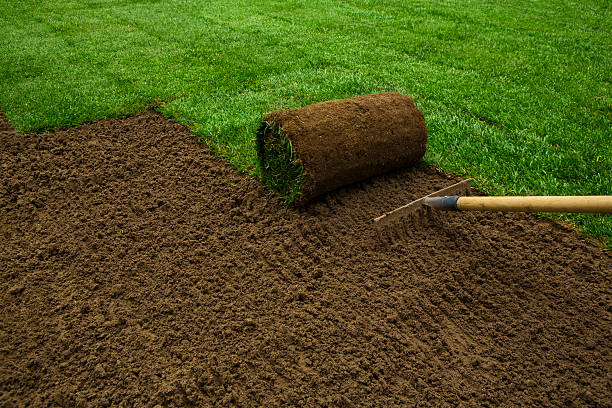
Getting the timing right is only part of the equation — proper site preparation is equally important for successful sod establishment:
The first few weeks after installation are critical for establishment. During this period:
Not all grass types perform the same in Texas conditions. Common options include:
Choosing the right variety for your specific yard conditions (sun exposure, soil type, foot traffic) is just as important as timing the installation correctly.
Timing your sod installation correctly, combined with proper site prep and post-installation care, gives your new lawn the best possible chance to establish into a healthy, long-lasting lawn. A rushed or poorly timed installation often leads to costly do-overs, while a well-planned one delivers a lush lawn that lasts for years.

Ready to install fresh sod at the right time for your Texas lawn? Contact Breaking Ground Outdoor Services to schedule your sod installation.