If you have an existing concrete patio or walkway that's structurally sound but showing its age aesthetically, you may be wondering whether pavers can simply be installed directly over the existing surface, rather than removing it entirely. This approach, sometimes called a paver overlay, can work well in the right circumstances, but it comes with important considerations to evaluate first.
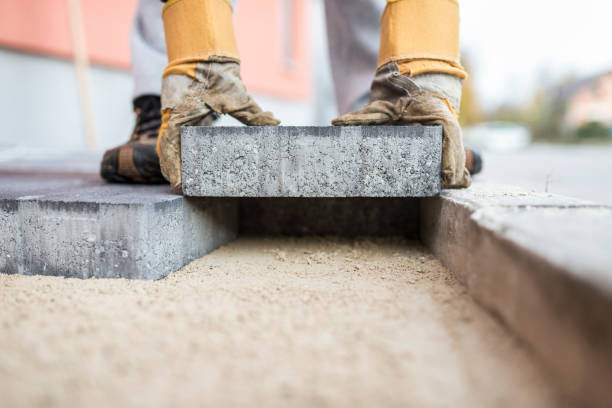
Rather than excavating and removing the existing concrete, a paver overlay involves installing a thin-set paver system directly on top of the existing slab, using a specialized bonding process or a sand-set system with appropriate edge restraint, depending on the specific approach and products used.
Structurally Sound Existing Concrete
For an overlay to work well, the existing concrete slab needs to be in genuinely good structural condition — free from significant cracking, major settling, or drainage problems. A paver overlay isn't a solution for concrete with underlying structural issues.
Proper Existing Drainage and Grading
Since the existing slab's grading will largely be inherited by the overlay system, confirming the current concrete already directs water appropriately is important before proceeding with this approach.
Wanting an Aesthetic Upgrade Without Full Removal
If your primary goal is simply updating the appearance of a functional but visually dated concrete surface, an overlay can achieve this without the cost and disruption of complete removal and replacement.
Significant Existing Cracking
If the existing concrete has substantial cracking, this often indicates underlying issues (like base settling or soil movement) that an overlay won't resolve, and may actually cause similar cracking to eventually appear in the paver surface above.
Drainage or Grading Problems
If the existing concrete doesn't properly direct water away from your home or other structures, an overlay inherits this same problem rather than correcting it.
Significant Height or Clearance Concerns
Adding a paver system on top of existing concrete raises the overall surface height, which can create issues with door thresholds, existing steps, or other clearance-dependent features that need to be carefully evaluated before proceeding.
1. Assessing Existing Concrete Condition
A thorough evaluation confirms the existing slab is structurally sound enough to serve as a stable base for the overlay system.
2. Surface Preparation
The existing concrete typically needs cleaning and may require minor repairs to any small cracks or surface imperfections before the overlay installation begins.
3. Installing the Overlay System
Depending on the specific approach, this may involve a thin-set mortar bonding system or a sand-set system with appropriate edge containment, following manufacturer-specific installation guidelines for the chosen paver overlay product.
4. Finishing With Joint Material
Similar to a standard paver installation, appropriate joint sand or mortar is applied between paver units to complete the finished surface.
Potential Advantages of an Overlay
Generally faster installation timeline since extensive excavation isn't required, potentially lower cost compared to full removal and replacement, and less disruption to the surrounding landscape during construction.
Potential Disadvantages of an Overlay
Inherits any underlying issues with the existing concrete's condition or drainage, adds height to the existing surface that needs to be accounted for, and may not be appropriate if the existing slab shows any significant structural concerns.
Given the importance of the existing concrete's condition to a successful overlay project, having a professional properly evaluate your specific slab before proceeding helps confirm whether this approach is genuinely appropriate for your situation, or whether full removal and replacement would ultimately provide better long-term value.
Installing pavers over existing concrete can be a practical, cost-effective way to update a structurally sound but aesthetically dated surface. The key is honestly evaluating whether your specific existing concrete is genuinely a good candidate for this approach, rather than assuming it will work for any situation.

Considering pavers over your existing concrete patio or walkway? Contact Breaking Ground Outdoor Services for a professional assessment and recommendation.