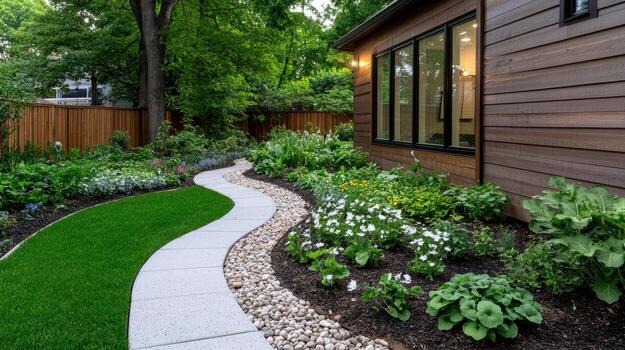
With countless DIY tutorials and readily available materials, it's tempting to consider tackling a landscape installation project yourself. And for smaller, simpler projects, this can absolutely be a viable option. But for larger or more technically involved projects, the DIY vs professional landscape installation decision deserves careful consideration before you start digging.
Small Planting Projects
Adding a few new plants to existing beds, refreshing mulch, or making minor planting adjustments are generally manageable DIY projects that carry relatively low risk if something doesn't go exactly as planned.
Basic Maintenance Tasks
Regular lawn care, simple pruning, and general garden upkeep fall well within reasonable DIY capability for most homeowners with basic tools and some gardening interest.
Container Gardening
Since containers don't involve permanent grading or drainage considerations, this is a relatively low-risk area for homeowners wanting to add some DIY greenery to their outdoor space.
Grading and Drainage
Proper grading requires understanding how water needs to flow across your specific property to protect your foundation and prevent erosion. Getting this wrong can lead to significant, costly problems that are much more difficult to correct after plants and other elements are already installed on top of improperly graded soil.
Irrigation System Design and Installation
Designing an effective irrigation system that properly covers your specific landscape, with appropriate zones based on plant water needs, involves technical knowledge that's easy to underestimate, and mistakes here can lead to plant health issues or water waste.
Soil Preparation for Texas Clay
Properly amending and preparing Texas clay soil for healthy plant growth requires understanding of this specific soil type's challenges, and generic, one-size-fits-all preparation approaches often fall short of what local conditions actually require.
Hardscape Integration
If your landscape installation includes retaining walls, patios, or other hardscape features, these elements involve structural and drainage considerations well beyond typical DIY landscaping skill, with real consequences if not properly executed.
Large-Scale Tree and Shrub Planting
While a single small plant is relatively low-risk to install yourself, larger specimen trees or extensive planting projects benefit significantly from professional knowledge around proper planting depth, root preparation, and appropriate spacing for long-term growth.
When DIY landscape installation projects go wrong, the cost of correcting the resulting issues is often significantly higher than what professional installation would have cost from the start. A poorly graded yard leading to foundation water issues, an inefficient irrigation system requiring redesign, or plants installed incorrectly and needing replacement all represent costs that frequently exceed the original DIY savings.
Proper Site Assessment
Professionals evaluate soil conditions, drainage patterns, and sun exposure before finalizing an installation plan, addressing considerations that are easy for DIY projects to overlook.
Appropriate Equipment and Techniques
Professional installation often utilizes specialized equipment and techniques that improve efficiency and results compared to typical homeowner-available tools and DIY methods.
Warranty Coverage
A reputable landscape installation contractor provides warranty coverage on their work, offering protection and peace of mind that DIY projects simply don't provide if issues arise.
Experience With Local Conditions
Professional installers familiar with Tyler, TX and surrounding area soil, climate, and appropriate plant selections bring valuable knowledge that's difficult to replicate through DIY research alone.
For smaller-scale, lower-risk projects — adding a few plants, basic maintenance, container gardening — DIY can be a reasonable, cost-effective approach, particularly for homeowners who enjoy hands-on gardening work and are comfortable researching proper technique for their specific project scope.
For anything involving significant grading, drainage planning, irrigation system design, hardscape integration, or larger-scale plant installation, professional expertise typically delivers better long-term results and reduces the risk of costly mistakes that are much more expensive to correct after the fact than to avoid from the start.
The DIY vs professional landscape installation decision really comes down to project scale and complexity. For smaller, lower-risk projects, DIY can work well. But for anything involving real technical considerations like grading, drainage, or irrigation design, professional installation protects your investment and delivers results that are difficult to replicate without specialized experience.

Considering a landscape installation project and want professional guidance? Contact Breaking Ground Outdoor Services for a consultation on the best approach for your specific project.