Any landscape installation project that involves grading, excavation, or removing existing vegetation temporarily exposes bare soil to the elements, creating real risk for erosion if proper precautions aren't taken. Understanding erosion control principles helps protect your property both during construction and after your new landscape is established.
Bare, disturbed soil is significantly more vulnerable to washing away during rain events than soil protected by established vegetation or proper ground cover. Without adequate erosion control measures, a landscape installation project can inadvertently cause soil loss, sediment runoff onto neighboring properties or storm drains, and damage to newly graded areas before plants or sod have a chance to establish.
Sloped Properties
Any landscape installation involving grading changes on a sloped property faces heightened erosion risk, since water naturally flows more forcefully across steeper grades.
Large-Scale Grading Projects
New construction landscapes or major renovations involving significant soil movement create larger areas of exposed, vulnerable soil compared to smaller, more contained projects.
Areas Near Drainage Paths
Landscape installation work near existing drainage channels or low points where water naturally collects requires particular attention to prevent sediment from washing into these areas.
Projects Spanning Multiple Phases
Installation projects that leave certain areas disturbed for extended periods (between initial grading and final planting) face prolonged erosion exposure compared to quicker, single-phase projects.
Silt Fencing
Temporary barrier fencing installed along the downhill edge of a disturbed area helps capture sediment before it can wash off the property, particularly important during active construction phases.
Erosion Control Blankets
Biodegradable matting placed over bare soil on slopes helps hold soil in place while new plantings or sod establish root systems, providing temporary protection during the vulnerable establishment period.
Straw or Mulch Application
Applying a protective layer of straw or mulch over exposed soil helps reduce erosion from rainfall impact and wind, particularly useful for areas awaiting final planting.
Staged Construction Sequencing
Planning the installation sequence to minimize the amount of time soil remains exposed — completing grading and immediately proceeding with erosion-resistant coverage like sod or ground cover — reduces the overall window of erosion vulnerability.
Diversion Berms or Swales
Temporary or permanent grading features designed to redirect water flow away from vulnerable areas help manage water during both construction and the establishment period afterward.
Proper Grading
A well-executed landscape installation addresses long-term grading and drainage needs from the start, reducing ongoing erosion risk well beyond the initial construction period.
Groundcover and Root Establishment
Choosing appropriate groundcover, sod, or dense plantings for slopes and erosion-prone areas provides long-term soil stabilization once fully established, addressing erosion concerns permanently rather than just during construction.
Retaining Walls for Significant Slopes
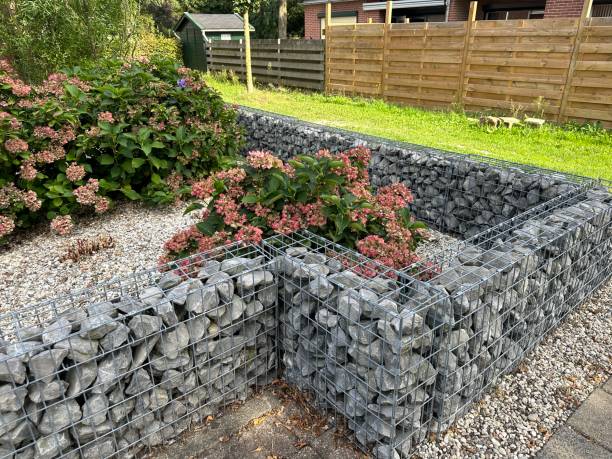
For properties with substantial grade changes, incorporating retaining walls as part of the overall landscape installation addresses erosion risk directly by managing soil retention structurally, rather than relying solely on plantings.
Permeable Hardscape
Incorporating permeable paving options in appropriate areas can help manage water absorption and reduce runoff-related erosion concerns compared to solid, impermeable surfaces.
Neglecting erosion control during landscape installation can lead to soil loss that undermines new plantings before they establish, sediment washing onto neighboring properties (potentially creating conflicts or code violations), clogged storm drains from sediment runoff, and the need for costly re-grading or replanting if erosion significantly damages the newly installed landscape.
Proper erosion control during landscape installation protects both your property and the surrounding area from unnecessary soil loss and drainage complications. Working with an experienced team that plans for this from the start ensures your project proceeds smoothly, without the setbacks and costs that unmanaged erosion can create.

Planning a landscape installation project on a sloped or larger-scale property? Contact Breaking Ground Outdoor Services to discuss proper erosion control planning.