Every successful landscape installation involves a thoughtful balance between two fundamental categories: hardscape and softscape. Understanding the hardscape vs softscape relationship — and how to balance the two effectively — is key to creating a landscape that's both beautiful and functional. This guide covers what each category includes and how to find the right balance for your property.
Hardscape refers to the non-living, structural elements of a landscape, including features like patios, walkways, retaining walls, pergolas, and outdoor kitchens. These elements provide structure, function, and defined usable space within your overall landscape design.
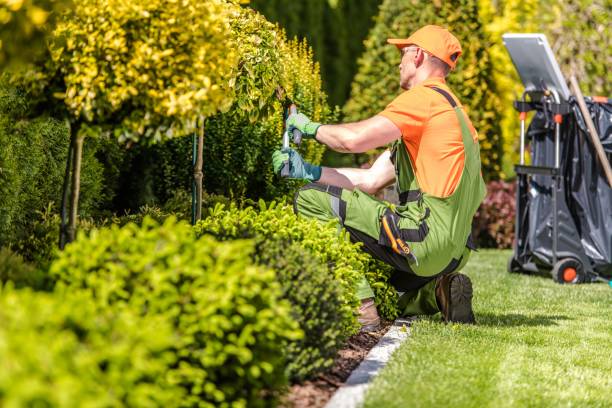
Softscape refers to the living elements of a landscape — trees, shrubs, flowers, groundcover, and lawn areas. These elements provide color, texture, seasonal interest, and the natural, organic feel that balances out hardscape's more structured, permanent presence.
Too Much Hardscape
A landscape design overly weighted toward hardscape can feel stark, overly structured, or disconnected from the natural environment, lacking the softness and seasonal interest that plantings provide.
Too Much Softscape
Conversely, a landscape with extensive plantings but minimal hardscape may lack functional, usable outdoor living space, leaving few options for entertaining, dining, or simply enjoying the yard in a defined, comfortable way.
The Right Balance
A well-designed landscape installation typically uses hardscape to create functional zones and structure, while softscape elements soften those structures, add seasonal color and texture, and create a cohesive, inviting overall environment.
Defining Functional Zones
Hardscape features like patios and walkways create clear, functional spaces for specific activities — dining, lounging, walking — while surrounding softscape elements frame and soften these zones, creating a natural transition between structured and organic areas.
Managing Drainage and Erosion
Hardscape elements like retaining walls address structural and drainage challenges, while strategically placed softscape (like groundcover or erosion-resistant plants) can complement these solutions in less structurally critical areas.
Creating Visual Interest Through Contrast
The juxtaposition of hardscape's clean lines and structure against softscape's organic textures and colors often creates more visually compelling landscape designs than either element alone.
Providing Seasonal Interest
While hardscape remains visually consistent year-round, softscape introduces seasonal variation through blooming cycles, foliage color changes, and growth patterns, keeping the landscape feeling dynamic and alive throughout the year.
Consider Your Primary Use Case
If entertaining and outdoor living are top priorities, a higher proportion of hardscape (patios, outdoor kitchens, defined gathering spaces) may make sense. If a lush, garden-focused aesthetic is more important to you, a higher proportion of softscape might better reflect your goals.
Account for Maintenance Preferences
Hardscape generally requires less ongoing maintenance than extensive plantings, so homeowners wanting a lower-maintenance landscape might lean toward a higher hardscape-to-softscape ratio.
Think About Property Size and Layout
Smaller properties often benefit from a higher percentage of hardscape to maximize functional usable space, while larger properties have more room to incorporate extensive plantings alongside hardscape features without feeling cramped.
Understanding the hardscape vs softscape relationship helps ensure your landscape installation results in a property that's both functional and beautiful — with structured spaces for how you actually use your yard, softened and enhanced by thoughtful plantings that bring the whole design to life.

Ready to plan a landscape installation that balances hardscape and softscape effectively? Contact Breaking Ground Outdoor Services to start your consultation.