A retaining wall is a significant investment in your property's structure and usability, and understanding how long retaining walls last helps set realistic expectations for this long-term feature. While well-built walls can last for generations, several factors influence actual lifespan. This guide breaks down what to expect.
With proper design, quality materials, and correct installation, most retaining walls last 50 to 100 years, and in some cases even longer. However, this wide range reflects just how much installation quality and ongoing conditions affect actual longevity.
Drainage System Quality
This is, without question, the single biggest factor in retaining wall lifespan. A wall with a properly designed and functioning drainage system can last many decades, while a wall with inadequate drainage may show significant problems within just a few years, regardless of how well-built the wall itself appears.
Material Choice
Poured concrete and segmental block walls generally offer the longest potential lifespan among common retaining wall types, while timber walls typically have a shorter expected lifespan due to natural wood decay over time, even with pressure treatment.
Base Preparation
A properly compacted, well-prepared base is essential for long-term stability. Walls built on inadequately prepared bases are prone to settling and shifting well before the wall material itself would naturally reach the end of its useful life.
Soil Conditions
Texas clay soil's tendency to expand and contract with moisture changes places additional ongoing stress on retaining walls compared to more stable soil types. Walls specifically engineered to account for this soil behavior tend to perform better long-term than those using a generic design approach.
Engineering and Design Appropriateness
Walls that were properly engineered for their specific height and soil load requirements tend to perform reliably for their full expected lifespan, while walls that were under-engineered for their actual conditions may show problems much sooner.
Ongoing Maintenance
Periodic inspection and prompt attention to minor issues (clearing drainage outlets, addressing small cracks early) can meaningfully extend a retaining wall's functional lifespan compared to a wall that receives no ongoing attention.
In many cases, especially with walls that show issues in only specific sections, targeted repairs can extend the wall's useful life significantly rather than requiring complete replacement.
Segmental Block Walls
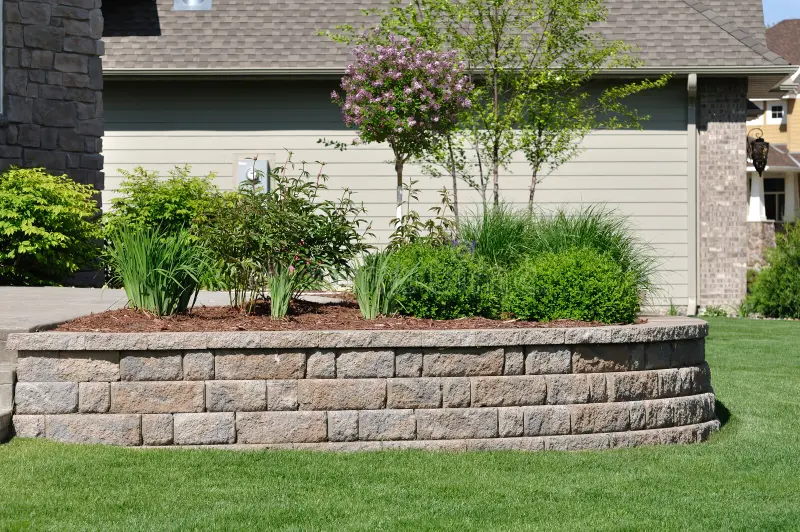
Generally offer excellent longevity when properly installed, often performing well for 50 years or more.
Poured Concrete Walls
Among the most durable options, capable of lasting many decades, sometimes exceeding a century with proper design and maintenance.
Natural Stone Walls
Can last an exceptionally long time, sometimes even longer than other materials, since natural stone doesn't degrade in the same ways manufactured materials can, provided proper drainage and base preparation were used.
Timber Walls
Typically have the shortest expected lifespan among common options, often needing significant attention or replacement within 15 to 25 years due to natural wood decay, even with treatment.
Many DIY retaining wall projects fall short of these lifespan expectations, primarily due to inadequate drainage planning or insufficient base preparation. A wall that could have lasted 50+ years with professional installation may instead show significant problems within just a few years when these critical elements are overlooked.
Understanding how long retaining walls last underscores why proper design, drainage, and installation matter so much upfront. A well-built retaining wall isn't just a short-term fix — it's a structural investment that can serve your property reliably for generations.

Ready to invest in a retaining wall built to last for decades? Contact Breaking Ground Outdoor Services for a professional consultation.