For homeowners tired of constant mowing, watering, and lawn upkeep, artificial turf has become an increasingly popular alternative. But one of the most common questions before making the switch is simple: how long does artificial turf last? This guide covers turf lifespan, what affects durability, and how to get the most value out of your investment.
On average, quality artificial turf lasts between 15 to 25 years, depending on the product quality, installation, and how much wear the area receives. High-traffic areas like play spaces or pet zones may see turf on the shorter end of that range, while decorative or low-traffic areas often last well beyond 20 years.
The key factors that determine how long artificial turf lasts include:
Beyond the lifespan question, artificial turf appeals to homeowners for several practical reasons:
Water Savings
Unlike natural grass, artificial turf requires no irrigation, which is a major advantage during Texas summers when watering restrictions and high heat put stress on traditional lawns.
Consistent Appearance
Artificial turf stays green and manicured year-round, without the brown patches, bare spots, or uneven growth that natural grass can develop, especially during drought conditions.
Low Maintenance
No mowing, fertilizing, or weed control — artificial turf dramatically reduces the time and cost of lawn upkeep.
Pet and Kid Friendly
Modern artificial turf is designed to handle heavy foot traffic and pet use without the muddy patches or dead spots that natural grass develops in high-use areas.
Base Preparation
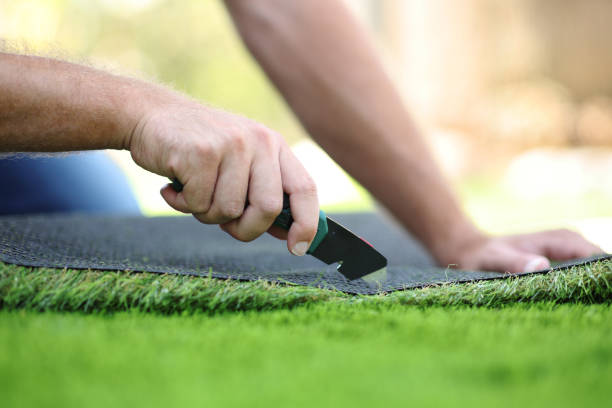
Proper installation — including a compacted base and adequate drainage layer — is one of the biggest factors in how long artificial turf lasts. Poor base prep can lead to uneven settling, drainage issues, and premature wear.
Fiber Quality
Not all turf is created equal. Higher-density, UV-stabilized fibers resist matting, fading, and wear far better than lower-grade products.
Infill Material
The infill (material placed between turf fibers) affects both comfort and durability. Quality infill helps fibers stay upright and provides better shock absorption over time.
Natural grass requires regular mowing, watering, fertilizing, and seasonal overseeding to stay healthy, and its appearance fluctuates with weather and season. Artificial turf, by comparison, maintains a consistent, manicured look year-round with dramatically less maintenance, though it does involve a higher upfront installation cost.
For homeowners weighing long-term time savings and water conservation against upfront investment, understanding how long artificial turf lasts helps put that cost into perspective — often 15+ years of minimal-maintenance, always-green lawn.
Artificial turf tends to be a great fit for homeowners who want a consistently green, low-maintenance lawn, have high-traffic areas that struggle to maintain natural grass, want to reduce water usage, or have pets that are tough on traditional lawns.

Curious if artificial turf is the right fit for your yard? Contact Breaking Ground Outdoor Services for a personalized recommendation and estimate.