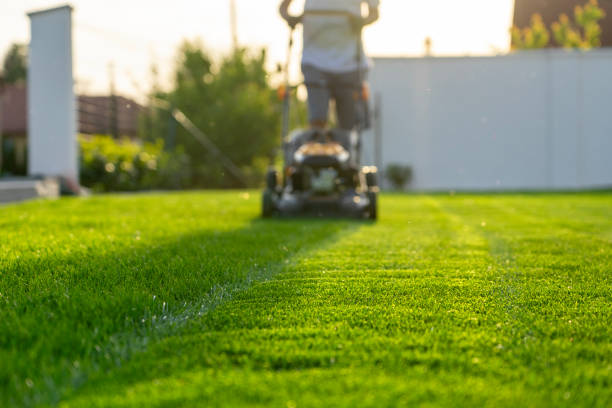
The first 30 days after sod installation are the most critical period for establishing a healthy, long-lasting lawn. How you care for new sod during this window has a bigger impact on its long-term health than almost any other factor. This guide walks through exactly what to do — and what to avoid — during the first month.
New sod arrives with roots that haven't yet connected to the soil beneath it. During this establishment period, the grass is more vulnerable to stress from heat, insufficient water, or excessive foot traffic. Proper care for new sod during this window gives roots the best chance to establish quickly and thoroughly.
Watering
This is the single most important factor in how to care for new sod during week one. Water thoroughly enough to keep the sod consistently moist — typically watering multiple times per day for shorter durations rather than one long watering session, especially during hot weather.
Foot Traffic
Avoid walking on new sod as much as possible during this first week, since the roots haven't yet established a connection with the soil below, and foot traffic can disrupt this critical bonding process.
Mowing
Do not mow during the first week. New sod needs time to establish before it can handle the stress of mowing.
Watering
Begin gradually reducing watering frequency while increasing the depth of each watering session, encouraging roots to grow deeper into the soil rather than staying shallow near the surface.
Checking Root Establishment
A simple way to check progress is gently tugging on a section of sod — if it resists and doesn't lift easily, roots are beginning to establish properly.
Foot Traffic
Light foot traffic can typically begin during this period, though it's still best to minimize heavy use of the area.
First Mowing
Once sod has established enough to resist gentle tugging, the first mow can typically take place. Keep the mower blade set higher than usual for this first cut to avoid stressing the still-establishing grass.
Watering Adjustments
Continue transitioning toward a deeper, less frequent watering schedule, moving closer to a normal, established lawn watering routine.
Fertilization
Depending on the specific grass variety, this is often an appropriate time to begin a light fertilization routine, though it's worth confirming timing based on your specific sod type.
Regular Mowing Schedule
By this point, most sod can handle a regular mowing schedule appropriate for its specific grass variety.
Standard Watering Routine
Watering can typically transition to a normal, established lawn schedule — generally deeper, less frequent watering that encourages continued deep root growth.
Monitoring for Problem Areas
Keep an eye out for any sections that seem to be struggling compared to the rest of the lawn, which may indicate a watering inconsistency or drainage issue worth addressing.
Overwatering
While consistent moisture is essential early on, oversaturating the soil can lead to root rot or fungal issues. Consistent, appropriately timed watering is more effective than simply watering excessively.
Mowing Too Early
Cutting new sod before roots have established can stress the grass and disrupt the rooting process.
Heavy Foot Traffic Too Soon
Allowing significant foot traffic (kids, pets, furniture) before roots establish can create bare patches or uneven establishment.
Skipping Fertilization Timing Guidance
Applying fertilizer too early or with the wrong formulation can stress new sod rather than support healthy establishment.
If you notice these signs, it's worth evaluating your watering routine or having the area assessed for underlying drainage or soil issues.
Knowing how to care for new sod during the first 30 days makes the difference between a lawn that establishes quickly into a healthy, resilient turf and one that struggles from the very beginning. Consistent, appropriate care during this critical window protects your investment and sets the foundation for years of healthy lawn growth.

Just had new sod installed and have questions about care? Contact Breaking Ground Outdoor Services for guidance and support throughout the establishment process.