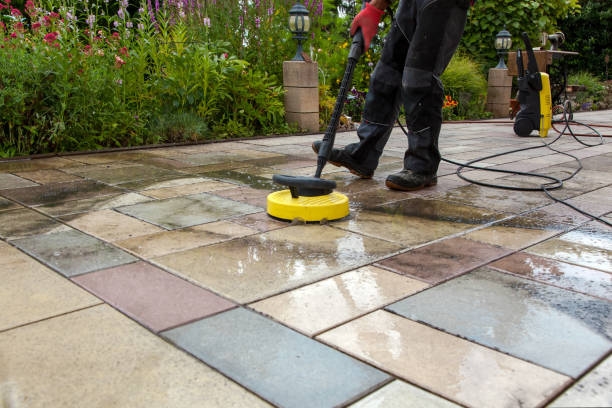
Regular cleaning keeps your paver patio looking its best while also protecting the material from long-term staining or buildup that can be more difficult to address if left unattended. Understanding how to clean a paver patio properly — using appropriate methods and products — helps you maintain your outdoor investment without accidentally causing damage.
While pavers are durable, using inappropriate cleaning methods or harsh chemicals can potentially damage the surface finish, strip protective sealant prematurely, or dislodge joint sand unnecessarily. Understanding the right approach protects both your patio's appearance and its long-term structural integrity.
Regular Sweeping
The simplest and most frequent cleaning task, regular sweeping removes leaves, dirt, and debris before it has a chance to settle into paver texture or joints, preventing staining and joint sand erosion over time.
Hosing Down the Surface
A basic rinse with a garden hose removes surface dust and light dirt buildup, keeping the patio looking fresh between more thorough cleaning sessions.
Addressing Spills Promptly
Cleaning up spills — food, drinks, oil from grilling equipment — as soon as they occur prevents staining from setting into the paver surface, since fresh spills are always easier to address than ones that have had time to penetrate.
Step 1: Clear the Area
Remove furniture, planters, and any other items from the patio surface to allow full access for cleaning.
Step 2: Sweep Thoroughly
Begin with a thorough sweep to remove loose debris before applying any cleaning solution, ensuring your cleaning efforts aren't wasted working around loose dirt and leaves.
Step 3: Apply an Appropriate Cleaning Solution
Using a cleaner specifically designed for paver or masonry surfaces, rather than generic household cleaners, helps avoid potential damage to the paver finish or protective sealant.
Step 4: Scrub as Needed
For areas with more stubborn dirt or light staining, using a stiff-bristled brush (rather than metal bristles, which can scratch certain paver finishes) helps work the cleaning solution into the surface effectively.
Step 5: Rinse Thoroughly
After allowing the cleaning solution appropriate contact time, thoroughly rinse the entire area to remove both the cleaning product and the loosened dirt or grime.
Step 6: Address Joint Sand as Needed
After a thorough cleaning, check joint sand levels and refill any areas that appear low, since cleaning can sometimes dislodge small amounts of existing joint material.
Choosing an Appropriate Pressure Setting
While a pressure washer can be effective for paver cleaning, using excessive pressure can damage paver surfaces or blast out joint sand unnecessarily. A moderate setting, rather than maximum pressure, is typically more appropriate for most paver cleaning applications.
Maintaining Appropriate Distance
Holding the pressure washer nozzle at an appropriate distance from the paver surface, rather than very close range, helps avoid surface damage while still effectively cleaning.
Working in Consistent Passes
Using consistent, overlapping passes rather than concentrating pressure in one specific area helps avoid uneven cleaning or potential surface damage from prolonged pressure in a single spot.
Rust Stains
Specialized rust-removing products designed for masonry surfaces are typically more effective and safer for paver material than generic rust removers not intended for this specific application.
Oil or Grease Stains
Products specifically formulated for oil stain removal on masonry surfaces, applied promptly after a spill occurs, offer the best chance of successful removal without lasting discoloration.
Organic Staining (Mold, Mildew, Algae)
Cleaning solutions designed specifically to address organic growth, combined with proper scrubbing, help address this common issue, particularly in shaded or consistently damp areas of a patio.
Harsh Chemical Cleaners
Products not specifically designed for masonry or paver surfaces can potentially damage the material's finish or strip protective sealant.
Excessive Pressure Washing
Using too high a pressure setting risks damaging paver surfaces and unnecessarily dislodging joint sand.
Metal-Bristled Brushes
These can scratch or damage certain paver finishes, making a stiff synthetic bristle brush a safer general choice for most cleaning applications.
While routine sweeping and spot-cleaning should happen regularly, a more thorough deep cleaning is generally beneficial once or twice a year, depending on your specific usage patterns and any particular staining or buildup issues you notice developing.
Understanding how to clean a paver patio properly helps maintain both its appearance and long-term structural integrity, ensuring your outdoor investment continues looking great for years of use and enjoyment.

Need help restoring or maintaining your paver patio? Contact Breaking Ground Outdoor Services for a professional cleaning and maintenance consultation.