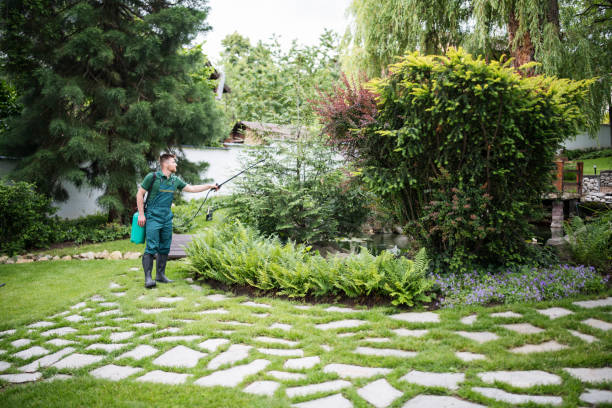
Not every homeowner wants to spend their weekends on constant yard work. A well-planned low-maintenance landscape design can deliver a beautiful, functional outdoor space while significantly reducing the time and effort required to keep it looking great. This guide covers the key principles and strategies for designing a landscape that works with your lifestyle, not against it.
A low-maintenance landscape design isn't about neglecting your yard — it's about making smart choices upfront that reduce ongoing upkeep. This includes selecting the right plants, minimizing high-maintenance features, and designing with long-term ease in mind from the very beginning.
Choose Native and Drought-Tolerant Plants
Native Texas plants are naturally adapted to local soil, rainfall patterns, and climate, meaning they typically require less watering, fertilizing, and general care than non-native alternatives once established.
Reduce Lawn Area
Traditional turf grass requires regular mowing, watering, and fertilizing. Reducing the overall lawn footprint in favor of planting beds, mulched areas, or hardscape features can significantly cut down on ongoing maintenance time.
Incorporate Hardscape Strategically
Patios, walkways, and retaining walls require far less ongoing maintenance than plantings. A landscape design that balances hardscape and softscape elements naturally reduces overall upkeep.
Group Plants by Water Needs
Hydrozoning — grouping plants with similar water requirements together — makes irrigation more efficient and reduces the time spent manually adjusting watering for different areas.
Use Mulch Generously
A generous layer of mulch around plantings suppresses weed growth, retains soil moisture, and reduces the frequency of both watering and weeding.
Consider Artificial Turf for High-Use Areas
For areas that see heavy foot traffic or struggle to maintain healthy natural grass, artificial turf offers a consistently green, low-maintenance alternative that eliminates mowing and watering entirely.
An efficient irrigation system — particularly drip irrigation for planting beds — reduces the manual effort required to keep plants properly watered. Smart irrigation controllers can further reduce maintenance by automatically adjusting watering schedules based on weather conditions.
Simplified Plant Palette
Using a smaller variety of plant species, repeated throughout the landscape, simplifies care routines since fewer distinct maintenance needs are involved.
Defined Planting Beds With Clean Edges
Well-defined bed borders (using edging materials or hardscape transitions) reduce the ongoing work of maintaining clean lines between lawn and planting areas.
Slow-Growing Plant Varieties
Choosing slower-growing shrubs and trees reduces the frequency of pruning and shaping required to maintain a tidy appearance.
A thoughtfully planned low-maintenance landscape design proves that reducing yard work doesn't mean sacrificing beauty or curb appeal. With the right plant choices, hardscape balance, and irrigation planning, your landscape can look great with a fraction of the ongoing effort.

Ready to design a beautiful, low-maintenance landscape? Contact Breaking Ground Outdoor Services to start your custom design consultation.