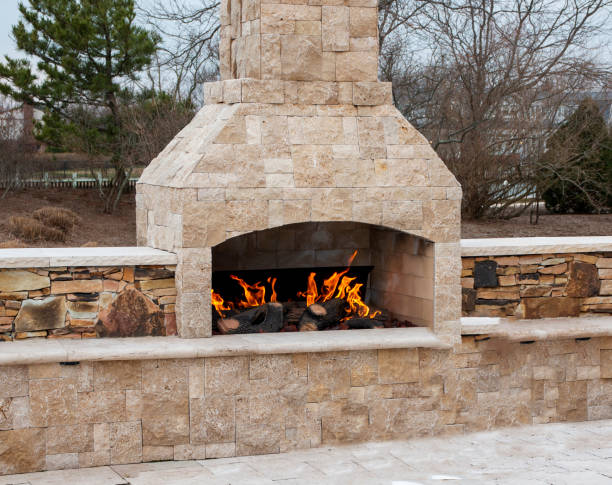
An outdoor fireplace is built to withstand the elements, but like any outdoor feature, it performs best — and stays safest — with regular maintenance. Knowing how to maintain your outdoor fireplace properly helps preserve its appearance, ensures safe operation, and extends its lifespan significantly. This guide covers what routine care looks like throughout the year.
Beyond simple appearance, proper maintenance ensures your outdoor fireplace continues operating safely, whether it's gas or wood-burning. Neglecting routine care can lead to issues ranging from cosmetic staining to more serious concerns like poor ventilation or gas line problems.
Regular Cleaning
Wiping down the fireplace's exterior surfaces removes dust, pollen, and debris that can accumulate over time and affect appearance.
Inspecting for Cracks or Damage
Periodically checking masonry, stucco, or veneer surfaces for cracks or damage allows you to catch and address issues before they worsen.
Clearing Surrounding Debris
Keeping leaves, branches, and other debris away from the base of the fireplace reduces fire risk and prevents moisture retention that could damage the structure over time.
Checking Seals and Joints
For fireplaces with mortar joints or sealed sections, periodically checking for gaps or deterioration helps maintain structural integrity.
Ash Removal
Regularly removing ash after each use (once fully cooled) prevents buildup that can affect airflow and appearance.
Chimney or Flue Inspection
Periodically checking the chimney or flue for creosote buildup or blockages helps ensure proper ventilation and reduces fire hazard risk.
Firebox Inspection
Checking the interior firebox for cracking or deterioration from repeated heat exposure helps catch issues before they become significant structural problems.
Covering When Not in Use
Using a weatherproof cover during extended periods of non-use helps protect the interior firebox from moisture accumulation.
Checking Gas Connections
Periodically inspecting gas line connections for any signs of wear or leaks is an important safety maintenance step, ideally performed by a qualified professional.
Cleaning Burner Components
Keeping burner components free of debris ensures consistent, safe operation and proper flame appearance.
Testing Ignition Systems
Regularly testing that ignition components are functioning properly helps catch issues before they become inconvenient or unsafe.
Professional Inspection
Given the gas components involved, periodic professional inspection is recommended to ensure everything is functioning safely and correctly.
Spring
After winter, inspect for any damage from freezing temperatures or moisture, and give the fireplace a thorough cleaning before the entertaining season ramps up.
Summer
Regular light cleaning and debris removal keeps the fireplace ready for frequent summer evening use.
Fall
As usage increases with cooler evenings, this is a good time for a more thorough inspection of the firebox, chimney (if wood-burning), or gas components (if gas) before heavy seasonal use begins.
Winter
Even in Texas's relatively mild winters, protecting the fireplace during periods of non-use and checking for any freeze-related damage after cold snaps helps preserve its condition.
Knowing how to maintain your outdoor fireplace properly protects both its appearance and its safe function for years of enjoyment. A little routine care goes a long way in preserving one of the most impactful features of your outdoor living space.

Need help maintaining or inspecting your outdoor fireplace? Contact Breaking Ground Outdoor Services for a professional evaluation.