For families with children or pets, safety is often one of the first questions that comes up when considering artificial turf. Understanding what modern artificial turf is made of, how it performs in different conditions, and what safety considerations to keep in mind can help you make a confident, informed decision.
Today's artificial turf products are typically made from synthetic materials like polyethylene or polypropylene for the grass-like fibers, backed by a durable base material, with infill (often silica sand or specialized alternatives) providing structure and cushioning. Quality manufacturers design these materials specifically with safety and durability in mind for residential use.
Fall Cushioning
Many artificial turf systems, particularly those designed with play areas in mind, can be installed with additional cushioning layers or specialized infill designed to reduce impact from falls, similar to safety surfacing used in playgrounds.
Material Safety
Quality artificial turf products are generally designed to be non-toxic, and many manufacturers offer options specifically marketed for residential and play area use with safety certifications.
No Pesticide or Fertilizer Exposure
Since artificial turf doesn't require pesticides, herbicides, or fertilizers to maintain its appearance, it eliminates a category of chemical exposure that exists with some natural lawn maintenance approaches.
Consideration: Surface Temperature
One legitimate consideration for artificial turf, particularly in direct summer sun, is that surface temperatures can become significantly warmer than natural grass. This is worth factoring into how and when the turf area will be used during peak summer heat, and some products are specifically engineered with heat-reducing technology to help mitigate this.
Durability Under Active Use
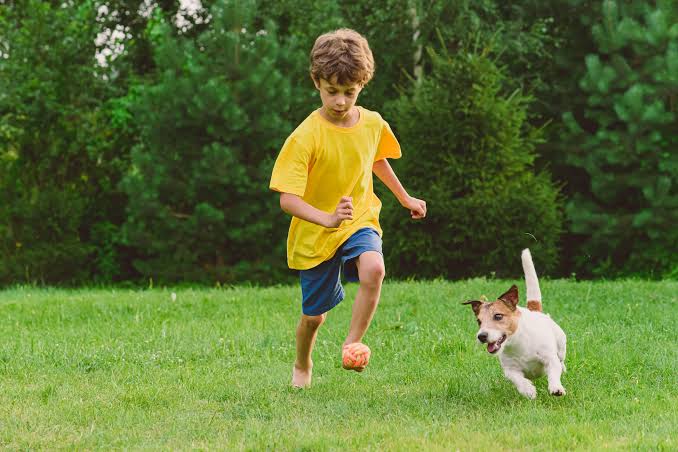
Quality artificial turf is designed to withstand running, digging attempts, and general active pet use without the damage that natural grass often sustains under similar conditions.
Material Safety
Similar to considerations for children, quality artificial turf products are generally designed with pet-safe, non-toxic materials in mind.
Drainage for Pet Waste
Proper artificial turf installation includes a well-designed drainage system that allows liquid pet waste to pass through the surface, which is important both for hygiene and for the overall function of pet-friendly turf areas.
Specialized Pet Turf Options
Many manufacturers offer turf products and infill specifically designed for pet applications, incorporating antimicrobial properties to help manage odor and bacteria in high-use pet areas.
For families concerned about surface temperature during hot Texas summers, several strategies can help:
Natural grass carries its own set of considerations, including potential pesticide or fertilizer exposure (depending on lawn care practices), the presence of insects like fire ants, and inconsistent surface conditions (muddy patches, uneven ground) that can present their own safety concerns for active kids and pets. Artificial turf eliminates several of these specific concerns while introducing its own considerations, primarily around surface heat management.
Artificial turf can be a safe, practical choice for families with kids and pets when quality materials are selected and proper installation practices are followed. Understanding the specific considerations — particularly around surface heat — helps you make choices that keep your family and pets comfortable and safe while enjoying a consistently green, low-maintenance yard.

Have questions about artificial turf safety for your family? Contact Breaking Ground Outdoor Services for guidance on the right products for your household.