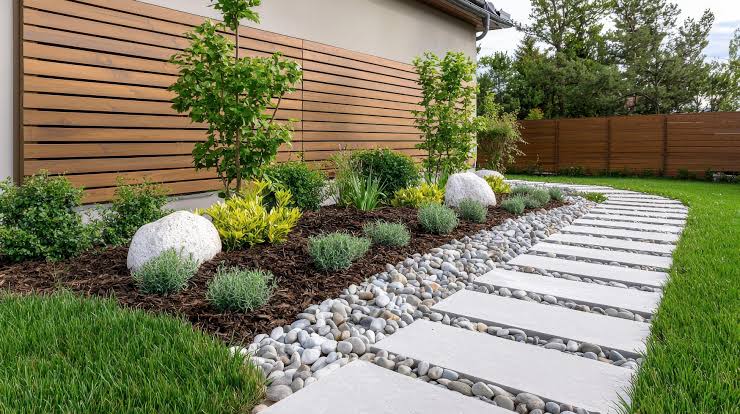
For many homeowners, a backyard only feels like a true retreat when it offers some sense of privacy from neighbors, passersby, or nearby streets. Landscape design for privacy uses a combination of plantings, structures, and thoughtful layout to create a more secluded, personal outdoor living space. This guide covers effective strategies for achieving privacy in your backyard.
A backyard that feels overly exposed can limit how comfortable you feel using the space for relaxing, entertaining, or simply spending time outdoors. Incorporating privacy considerations into landscape design helps create a space that feels like a genuine retreat, rather than one where you're constantly aware of being observed.
Privacy Hedges
Dense, evergreen shrubs planted in a row create a natural, living privacy screen that stays green year-round, offering consistent screening regardless of season.
Layered Plantings
Combining plants of varying heights — taller trees or large shrubs in the back, medium shrubs in the middle, and smaller plants in front — creates a fuller, more natural-looking privacy screen than a single row of identical plants.
Ornamental Grasses
Taller ornamental grass varieties can add a softer, more textured privacy element compared to traditional dense hedging, while still providing meaningful visual screening.
Vine-Covered Trellises
Training climbing vines along a trellis or fence creates a living privacy screen that can be more space-efficient than wide hedging, particularly useful for narrower side yards.
Fencing
While not purely a landscape design element, well-designed fencing combined with strategic plantings creates a strong, immediate privacy solution, particularly effective for smaller properties.
Pergolas With Privacy Screening
A pergola incorporating side panels, lattice, or climbing plants can create a defined, more enclosed outdoor living area, offering privacy for a specific zone like a dining or lounge space.
Retaining Walls for Elevated Privacy
On sloped properties, a retaining wall can be designed to create additional height and separation from neighboring sightlines, particularly useful for properties where elevation differences affect privacy.
Outdoor Curtains
Adding outdoor curtains to a pergola or patio cover structure offers flexible, adjustable privacy that can be opened or closed depending on your current needs.
Identifying Key Sightlines
Before choosing where to add privacy elements, walk your property and identify the specific vantage points (neighboring windows, the street, a nearby walking path) where privacy feels most needed, focusing your design efforts on those specific areas rather than the entire property perimeter.
Balancing Privacy With Light and Airflow
Effective landscape design for privacy considers not just blocking sightlines, but maintaining adequate sunlight and airflow to the space, avoiding an overly enclosed, dark feel.
Creating Distinct Private Zones
Rather than trying to achieve total privacy across an entire backyard, some of the most successful designs create one or two specifically private zones (a hot tub area, an outdoor dining space) while leaving other parts of the yard more open.
Thoughtful landscape design for privacy transforms a backyard from an exposed, public-feeling space into a true personal retreat. With the right combination of plantings and structural elements, your outdoor living space can feel secluded and personal, regardless of how close neighboring properties might be.

Ready to design a more private backyard retreat? Contact Breaking Ground Outdoor Services to start your custom landscape design consultation.