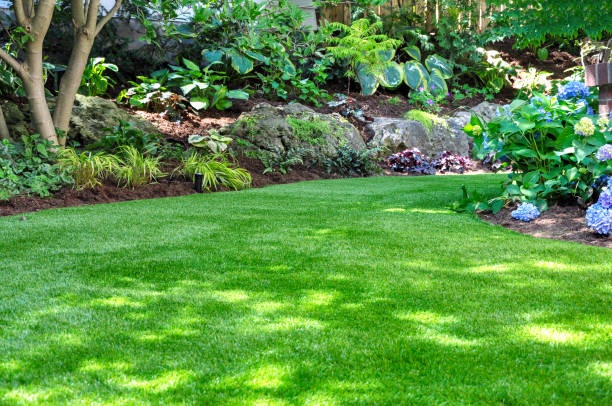
A smaller property doesn't mean you have to sacrifice a beautiful, functional outdoor space. With the right approach, landscape design for small yards can maximize every available square foot, creating a landscape that feels intentional and complete rather than cramped or underutilized. This guide covers strategies specifically suited to compact properties.
Smaller properties come with real constraints — every element needs to earn its place, and there's little room for wasted or purely decorative space that doesn't serve a genuine function. This constraint, while challenging, often results in more intentional, efficient design decisions than larger properties sometimes require.
Prioritize Multi-Functional Elements
In a small yard, features that serve more than one purpose deliver more value per square foot. A retaining wall built at seat height, for example, provides both structural function and additional seating without requiring separate furniture.
Use Vertical Space
Rather than relying solely on ground-level plantings, incorporating vertical elements — trellises, climbing plants, tiered planters — adds visual interest and greenery without consuming additional footprint.
Choose a Simplified Plant Palette
Using a smaller variety of plant species, rather than many different types, creates a more cohesive look in a compact space and avoids the visual clutter that can make small areas feel busier and smaller than they are.
Create Defined Zones, Even in Limited Space
Even a small yard benefits from distinct functional areas — a compact dining spot, a small planting bed, perhaps a tiny lawn patch — rather than one undefined, catch-all space.
Use Light Colors and Reflective Surfaces
Lighter-colored hardscape materials and strategically placed reflective elements (like a small water feature) can help a compact space feel more open and less enclosed.
Right-Sized Patios
A patio scaled appropriately to the yard — not attempting to maximize every possible inch of hardscape — leaves room for plantings that soften the space and prevent it from feeling entirely paved over.
Space-Efficient Pathways
Narrower, well-designed pathways that still comfortably accommodate foot traffic use less space than overly generous walkways, freeing up more area for plantings or usable gathering space.
Compact Retaining Walls
If grading changes are needed, shorter retaining walls with integrated seating can address structural needs while doubling as functional seating in a space-efficient way.
Columnar or Narrow Growth Habits
Choosing trees and shrubs with more upright, narrow growth patterns (rather than wide-spreading varieties) allows for vertical greenery without consuming excessive horizontal space.
Dwarf Varieties
Many popular plants are available in dwarf cultivars that offer similar visual appeal to their full-sized counterparts but in a more space-appropriate scale for smaller yards.
Container Gardening
Incorporating container plantings allows for flexible greenery that can be moved or rearranged as needed, offering more adaptability than permanent in-ground plantings in a tight space.
Diagonal Lines and Patterns
Using diagonal paver patterns or diagonal planting bed borders can create the illusion of a larger space compared to straight, parallel lines that more clearly define the yard's actual boundaries.
Repeating Elements
Using consistent materials, colors, or plant repetition throughout a small yard creates visual cohesion that can make the space feel more intentional and larger than a disjointed mix of different elements.
Strategic Screening
Rather than fully enclosing a small yard with tall privacy elements on all sides, leaving some sightlines open (where privacy isn't a concern) can help prevent the space from feeling boxed in.
Overcrowding With Plants
Trying to fit too many different plant varieties into a small space often creates visual clutter rather than the lush, intentional look homeowners are hoping for.
Oversized Furniture or Features
Choosing furniture or hardscape features scaled for a larger property can overwhelm a small yard, making it feel even more cramped than its actual dimensions.
Neglecting Vertical Opportunities
Focusing exclusively on ground-level design while ignoring vertical space wastes an opportunity to add greenery and interest without consuming additional footprint.
Thoughtful landscape design for small yards proves that a compact property can still deliver a beautiful, functional outdoor living space. With the right strategic choices, even limited square footage can feel intentional, complete, and genuinely enjoyable to use.

Have a small yard and want to maximize its potential? Contact Breaking Ground Outdoor Services to start your custom landscape design consultation.