New construction homes often come with a blank slate for a yard — sometimes literally just dirt or minimal builder-grade sod. While exciting, this presents a unique challenge: knowing where to start with landscape installation on a completely undeveloped property. This guide walks through the key considerations for new construction landscape projects.
Compacted, Poor-Quality Soil
Construction activity often leaves soil heavily compacted and stripped of the topsoil layer needed to support healthy plant growth, making soil preparation a critical first step in new construction landscape installation.
Grading Concerns
New construction sites sometimes have grading that wasn't optimized for long-term drainage, particularly around the foundation, making this an important area to assess before installation begins.
No Existing Structure to Guide Design
Unlike an established yard with mature trees or existing hardscape, new construction properties offer a completely open design opportunity, but also require starting entirely from scratch on planning.
Builder Landscaping Limitations
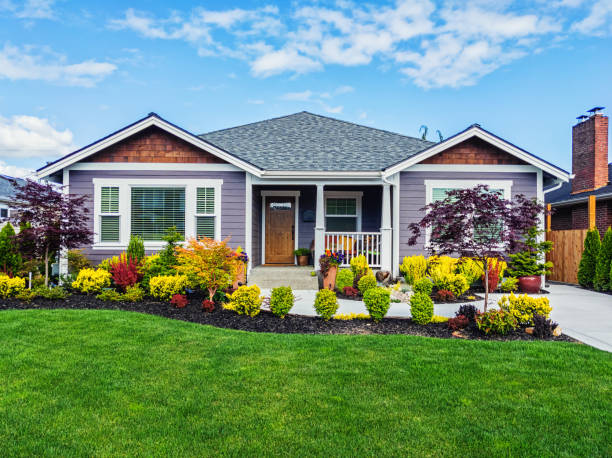
Many builders include only minimal landscaping (basic sod and perhaps a few foundation plants), leaving significant opportunity for a more complete landscape installation.
1. Assess Soil Quality
Before any planting begins, evaluate soil compaction and quality. New construction sites often benefit significantly from soil amendment or aeration to support healthy plant establishment.
2. Address Drainage and Grading
Confirm that grading properly directs water away from the foundation before proceeding with other landscape installation elements. This is easier and more cost-effective to address early rather than after plantings are established.
3. Plan Irrigation Infrastructure
Since you're starting from a blank slate, this is the ideal time to plan a comprehensive irrigation system that accounts for your entire property, rather than adding piecemeal coverage later.
4. Install Foundational Hardscape
Elements like retaining walls, main walkways, and patio areas are often easier to install before extensive planting, since equipment access is less restricted on a still-developing property.
5. Complete Sod or Lawn Areas
With grading and irrigation in place, sod installation typically follows to establish the lawn foundation of the property.
6. Add Planting Beds and Trees
Trees, shrubs, and planting beds are typically added after hardscape and lawn areas are established, allowing the overall design to come together cohesively.
Full Installation
Completing the entire landscape installation at once provides a complete, cohesive look right away and can be more efficient from a labor and equipment standpoint, since crews aren't returning to the site multiple times.
Phased Installation
Breaking the project into phases (perhaps front yard first, then backyard, or hardscape first, then planting) allows homeowners to spread costs over time while still working toward a complete vision.
Many homeowners choose a hybrid approach — completing core infrastructure (grading, irrigation, key hardscape) upfront, then phasing in additional planting or features over subsequent seasons.
Ignoring Soil Quality
Planting directly into compacted, poor-quality construction soil without amendment often leads to struggling plants and disappointing results.
Overlooking Foundation Drainage
Failing to properly address grading near the foundation before landscaping can lead to water damage issues down the road.
Rushing the Design Phase
Because new construction offers a completely blank canvas, taking time for proper planning pays off significantly compared to installing elements piecemeal without an overall design vision.
A new construction property offers a rare opportunity to design a landscape installation completely tailored to your vision, without existing constraints from prior landscaping decisions. Starting with proper soil preparation, drainage, and a clear overall plan sets your new landscape up for long-term success.

Just moved into a new construction home? Contact Breaking Ground Outdoor Services to start planning your complete landscape installation.