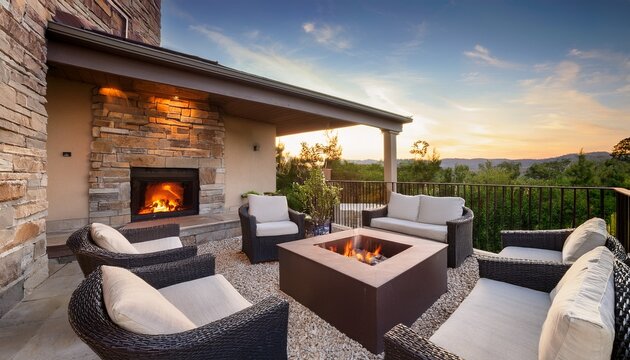
An outdoor fireplace is a substantial masonry structure, and like any significant building project, its long-term stability depends heavily on what happens below ground before any visible construction even begins. Understanding outdoor fireplace foundation requirements helps explain why this often-invisible step matters so much to your finished structure's durability.
An outdoor fireplace, particularly one incorporating substantial masonry, stone, or a raised hearth, carries significant weight that needs to be properly supported. Without adequate foundation work, this weight can lead to uneven settling, cracking, or structural instability over time, regardless of how well-constructed the visible fireplace structure itself might be.
Appropriate Footing Depth
Footings need to extend to an appropriate depth based on your specific soil conditions and the structure's total weight, providing stable support below the zone where seasonal soil moisture changes cause the most significant movement.
Adequate Footing Width
Beyond depth, footings need sufficient width to properly distribute the fireplace's weight across a stable area, preventing excessive pressure concentration that could lead to uneven settling.
Reinforced Concrete Construction
Most fireplace footings incorporate steel reinforcement within poured concrete, adding structural strength beyond what plain concrete alone would provide.
Proper Curing Time
Before construction proceeds on top of the footing, adequate curing time ensures the concrete has reached sufficient strength to support the ongoing construction process and the completed structure's full weight.
Expansive Clay Soil Movement
Much of Tyler, TX and the surrounding area features expansive clay soil that swells significantly when wet and contracts when dry. This ongoing movement places additional demands on foundation design compared to more stable soil types, making proper depth and reinforcement particularly important in this specific region.
Why Generic Foundation Approaches Can Fall Short
A foundation design appropriate for stable, non-expansive soil elsewhere may not adequately account for the specific challenges Texas clay soil presents, making local soil knowledge an important factor in reliable fireplace foundation design.
Uneven Settling
If a fireplace's foundation settles unevenly, the visible structure above can develop cracking, misalignment, or an overall leaning appearance over time.
Cracking in the Firebox or Chimney
Foundation issues can transmit stress upward into the fireplace structure itself, potentially causing cracking in the firebox, chimney, or veneer materials that wouldn't occur with a properly stable foundation.
Reduced Structural Lifespan
A fireplace built on inadequate footings may require premature repair or even reconstruction, significantly shortening what should otherwise be a multi-decade structural investment.
Larger, Taller Structures
More substantial fireplace designs, particularly those incorporating a tall chimney, extensive stonework, or additional features like a pizza oven combination, place greater demands on foundation design compared to more modest structures.
Additional Features Add Foundation Considerations
Elements like built-in seating walls extending from the main fireplace structure may require their own foundation considerations, coordinated with the main fireplace footing design for overall structural cohesion.
While the visible masonry, firebox, and chimney of an outdoor fireplace understandably get the most attention during planning, proper foundation work is what actually determines whether that beautiful structure remains stable and functional for decades. Prioritizing this foundational step protects your entire investment in the years ahead.

Ready to build an outdoor fireplace with a foundation designed for Texas soil conditions? Contact Breaking Ground Outdoor Services for a professional assessment and construction consultation.