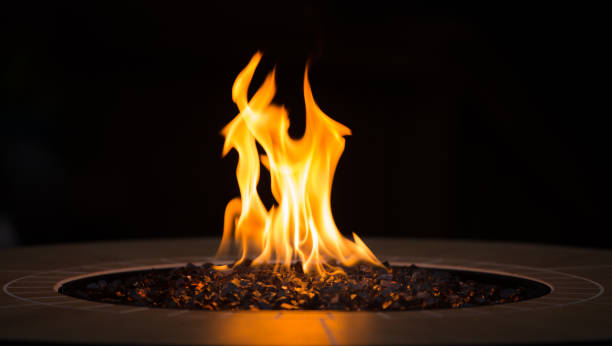
An outdoor fireplace deserves landscaping that complements its presence rather than simply surrounding it with generic plantings. Thoughtful outdoor fireplace landscaping considers heat exposure, visual framing, and how surrounding elements enhance rather than compete with your fire feature's impact.
Unlike general planting bed design, landscaping immediately around an outdoor fireplace needs to account for heat exposure from the structure, its role as a visual focal point, and how surrounding elements frame rather than distract from the fireplace itself.
Heat-Tolerant Plant Selection
Plants positioned closer to the fireplace should be able to tolerate occasional heat exposure without excessive stress, making heat-tolerant, drought-resistant varieties generally more appropriate for immediate proximity compared to more delicate plant species.
Appropriate Distance From the Structure
Maintaining reasonable distance between plantings and the fireplace itself, particularly for wood-burning designs where ember exposure is a consideration, protects both the plants and reduces fire safety concerns.
Avoiding Highly Flammable Plant Varieties Immediately Adjacent
Choosing plants with lower flammability characteristics for areas in closest proximity to the fireplace adds an extra layer of safety consideration to your landscaping choices.
Symmetrical Plantings for a Formal Look
Positioning matching plants or planting groups on either side of the fireplace creates a formal, balanced framing effect that emphasizes the structure as a central focal point.
Layered Plantings for Depth
Combining varying heights of plants behind or beside the fireplace — taller elements in back, shorter in front — adds visual depth and a more natural, layered appearance to the surrounding landscape.
Using Plants to Soften Hard Edges
Strategic plantings around the base or sides of the fireplace structure help blend its hardscape presence into the surrounding landscape, rather than leaving it feeling like an isolated, disconnected feature.
Evergreen Structure for Winter
Since outdoor fireplaces often see their heaviest use during cooler months, incorporating evergreen plantings nearby ensures the surrounding landscape looks intentional and attractive even during the season when the fireplace gets the most use.
Seasonal Color Elsewhere
While the immediate fireplace surround benefits from heat-tolerant, more permanent plantings, incorporating seasonal color in adjacent areas keeps the overall space visually interesting throughout the year.
Highlighting Surrounding Plants
Incorporating landscape lighting to highlight plantings near the fireplace extends the visual impact of your outdoor fireplace landscaping into the evening, complementing the ambiance the fire itself provides.
Avoiding Light Competition
Positioning additional lighting thoughtfully, so it complements rather than competes with the fireplace's own illumination, helps maintain the fire feature as the primary visual and atmospheric focus.
Coordinating Materials
Using landscaping materials, like mulch or gravel, that complement the fireplace's stone, brick, or stucco finish creates a cohesive overall design rather than a jarring contrast between the structure and its surroundings.
Pathways and Access
If the fireplace isn't immediately adjacent to the main patio, thoughtful pathway design connecting the two areas, incorporated into the overall landscaping plan, creates a more cohesive, intentional outdoor living experience.
Positioning Tall Plantings Thoughtfully
For wood-burning fireplaces, considering how nearby tall plantings might interact with smoke dispersal patterns helps avoid inadvertently creating conditions that trap smoke in unwanted areas.
Thoughtful outdoor fireplace landscaping transforms your fire feature from a standalone hardscape element into a genuinely integrated part of your overall backyard design, enhancing both its visual impact and the overall cohesion of your outdoor living space.

Ready to plan landscaping that complements your outdoor fireplace? Contact Breaking Ground Outdoor Services to start your custom design consultation.