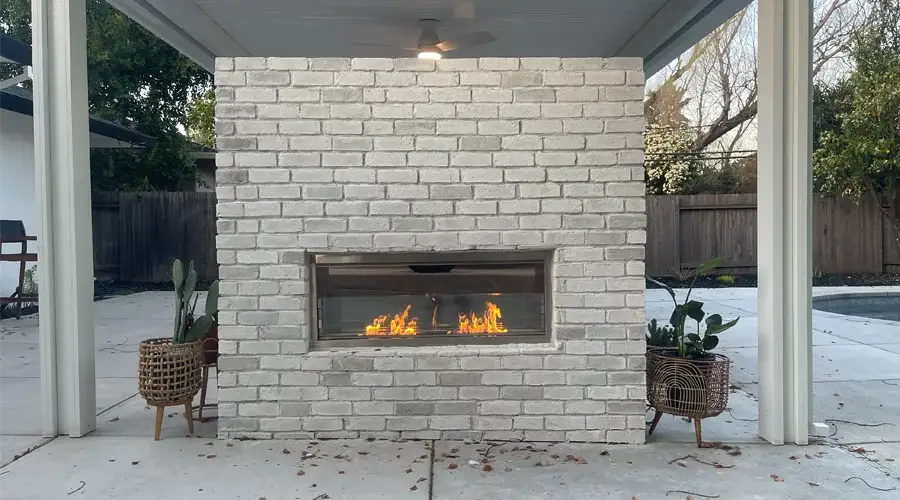
An outdoor fireplace adds genuine ambiance and function to a backyard, but building one safely requires more than simply positioning an attractive stone structure wherever it looks best. Proper clearances, ventilation, and compliance with local building codes are essential considerations that protect both your home and your family, and skipping this planning can create genuine safety risks along with potential compliance issues down the road.
Why Clearance Requirements Exist
Outdoor fireplaces generate significant heat, and maintaining proper clearance from structures, overhanging trees, fencing, and other combustible materials is essential to prevent fire risk. These clearance requirements aren't arbitrary — they're based on how far heat and potential embers can realistically travel and still pose a risk to nearby materials, and they need to be factored into site planning from the earliest design stages.
Understanding Local Building Code Requirements
Tyler and surrounding municipalities have specific code requirements for outdoor fireplace and fire feature construction, covering everything from required clearances to structural requirements for the firebox and chimney if applicable. Working with a contractor familiar with these local requirements ensures your project passes any necessary inspection and avoids the costly rework that comes from discovering a code violation after construction is already complete.
Proper Ventilation for Wood-Burning Fireplaces
Wood-burning outdoor fireplaces need properly designed venting to ensure smoke moves away from seating areas and doesn't create a hazard or nuisance for your family or neighbors. Poor venting design is one of the most common issues with improperly built outdoor fireplaces, leading to a feature that looks great but is genuinely unpleasant to actually use due to smoke blowing back toward guests.
Firebox Lining Materials Matter for Safety
The interior lining of a fireplace's firebox needs to be constructed from fire-rated materials specifically designed to withstand sustained high heat exposure. Using standard, non-fire-rated stone or brick for this interior lining is a serious safety oversight that can lead to cracking, structural failure, or in worse cases, genuine fire risk.
Gas Line Safety for Gas-Powered Features
For gas-powered outdoor fireplaces, proper gas line installation, sizing, and connection by qualified professionals is essential, along with appropriate shutoff valves and safety features that prevent gas leaks or improper ignition. This is an area where proper licensing and code compliance genuinely protects your family's safety, not simply a bureaucratic formality.
Permitting Requirements for Outdoor Fire Features
Depending on the specific type and size of outdoor fireplace, permitting may be required before construction begins. Understanding these requirements upfront, and working with a contractor who handles this process as part of the project, avoids the complications of building without required permits, which can create problems at resale or during a future inspection.
Why Professional Construction Matters for Safety, Not Just Appearance
An outdoor fireplace that looks beautiful but wasn't built with proper clearances, ventilation, and fire-rated materials represents a genuine safety liability, regardless of how impressive it looks. Working with an experienced contractor ensures every safety-critical element is addressed correctly, not just the visible finish.
The team at Breaking Ground Outdoor Services builds outdoor fireplaces throughout Tyler that meet proper safety standards and local code requirements from the ground up, delivering a feature that's both beautiful and genuinely safe to use for years to come.

Planning an outdoor fireplace and want it built safely and to code? Reach out to Breaking Ground Outdoor Services today.