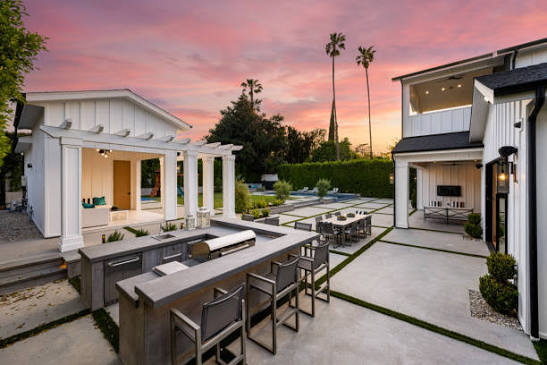
Outdoor Kitchen Countertops: Comparing Your Best Material Options

August 4, 2025

Your outdoor kitchen countertops face a demanding environment — constant sun exposure, temperature swings, and regular contact with food, drinks, and cooking equipment. Choosing the right material is one of the most important decisions in your entire outdoor kitchen project, affecting both daily function and long-term durability. This guide compares the top options.

Why Countertop Material Matters So Much Outdoors

Unlike an indoor kitchen, outdoor kitchen countertops need to withstand direct UV exposure, temperature extremes, and moisture without fading, cracking, or otherwise deteriorating. Choosing a material specifically suited to this level of exposure protects both the appearance and function of your outdoor kitchen for years to come.

Granite Countertops

Granite has long been a popular choice among outdoor kitchen countertops, prized for its natural beauty and impressive durability.

Advantages:

  • Excellent heat resistance, able to handle hot cookware and grill proximity without damage
  • Naturally resistant to UV fading, maintaining its color and appearance over time
  • Highly resistant to scratching and everyday wear
  • Wide range of natural colors and patterns for a distinctive look

Considerations:

  • Requires periodic sealing to maintain stain resistance
  • Higher cost compared to some alternative materials
  • Natural variation means each slab is unique, which some homeowners love and others find less predictable than manufactured options

Concrete Countertops

Poured concrete offers a modern, customizable option among outdoor kitchen countertops, appealing to homeowners wanting a contemporary aesthetic.

Advantages:

  • Highly customizable in terms of color, shape, and finish
  • Good heat resistance when properly sealed
  • Can be formed into custom shapes and integrated edges more easily than natural stone slabs

Considerations:

  • Requires periodic resealing to maintain water and stain resistance
  • Can develop hairline cracks over time, particularly with temperature fluctuations, though this is often considered part of the material's natural character
  • Proper sealing is essential to prevent staining, since concrete is naturally porous

Porcelain Slab Countertops

An increasingly popular choice among outdoor kitchen countertops, porcelain offers impressive performance characteristics specifically suited to outdoor exposure.

Advantages:

  • Extremely resistant to heat, UV fading, scratching, and staining
  • Non-porous, meaning no sealing is required to maintain stain resistance
  • Available in a wide range of colors and patterns, including options that mimic natural stone
  • Generally considered one of the lowest-maintenance countertop options available

Considerations:

  • Higher upfront cost compared to some other materials
  • Requires precise installation due to the material's specific handling requirements

Quartzite Countertops

A natural stone option offering some different characteristics compared to granite, quartzite is another strong choice among outdoor kitchen countertops.

Advantages:

  • Excellent durability and heat resistance
  • Distinctive natural patterns similar to granite
  • Generally very resistant to scratching and everyday wear

Considerations:

  • Similar to granite, benefits from periodic sealing
  • Availability and cost can vary depending on specific quartzite type and sourcing

Materials to Generally Avoid for Outdoor Kitchen Countertops

Laminate
Not designed for outdoor exposure and will typically degrade quickly when exposed to UV rays, moisture, and temperature swings.

Untreated Wood
While appealing aesthetically, untreated wood countertops are highly susceptible to warping, cracking, and moisture damage in outdoor conditions, particularly in humid Texas climates.

Standard Indoor-Grade Quartz
While quartz is popular indoors, many standard quartz products aren't UV-stable and can discolor or degrade with prolonged direct sun exposure, making outdoor-rated alternatives a better choice if you want a quartz-like appearance.

Comparing Cost Across Options

Generally speaking, concrete often offers a more accessible entry point among premium outdoor kitchen countertop materials, granite and quartzite fall in a comparable mid-to-upper range, and porcelain slab typically represents the highest upfront investment, reflecting its superior low-maintenance performance characteristics.

Tips for Choosing Outdoor Kitchen Countertops

  1. Prioritize heat resistance above all else. Direct exposure to hot cookware and grill proximity makes this a non-negotiable requirement.
  2. Consider your maintenance tolerance. Porcelain requires the least ongoing upkeep, while natural stone options benefit from periodic sealing.
  3. Think about long-term UV exposure at your specific site. A fully sun-exposed kitchen has different durability needs than one under a pergola or patio cover.
  4. Balance aesthetic preferences with practical performance. The most beautiful material won't deliver long-term satisfaction if it doesn't hold up to your specific outdoor conditions.

Choosing Countertops Built for Years of Outdoor Use

Selecting the right outdoor kitchen countertops is one of the most important material decisions in your entire project. With the right choice, your countertops will maintain their beauty and function through years of Texas heat, sun, and regular outdoor cooking use.

Ready to choose the right countertop material for your outdoor kitchen? Contact Breaking Ground Outdoor Services for expert guidance and a personalized recommendation.