An outdoor kitchen represents a significant investment, and avoiding common design mistakes upfront saves both money and frustration compared to discovering problems after construction is complete. This guide covers the most frequent outdoor kitchen design mistakes homeowners make and how to sidestep them in your own project.
One of the most common outdoor kitchen design mistakes is prioritizing appliances over adequate counter space, resulting in a kitchen that looks impressive but lacks sufficient room for actual food prep, serving, and setting down items during cooking and entertaining.
How to avoid it: Plan generous counter space around your primary cooking appliance before adding additional features, ensuring the kitchen remains genuinely functional, not just visually impressive.
Positioning an outdoor kitchen without considering how people will actually move around it — between the kitchen, seating areas, and the main house — can create an awkward, congested space during actual use, particularly when entertaining.
How to avoid it: Map out expected traffic patterns during the design phase, ensuring clear pathways between key zones rather than positioning furniture or features that create bottlenecks.
Focusing heavily on appliances and counter space while neglecting adequate storage leads to a cluttered kitchen where utensils, supplies, and equipment lack a proper home, undermining the space's overall organization and function.
How to avoid it: Think through your actual storage needs — cookware, utensils, cleaning supplies — and incorporate appropriately sized cabinets and drawers into your design from the start.
Failing to properly plan gas, water, and electrical needs early in the design phase often leads to costly changes or compromises once construction is already underway.
How to avoid it: Finalize your appliance list and corresponding utility needs before construction begins, ensuring proper infrastructure planning from the very start.
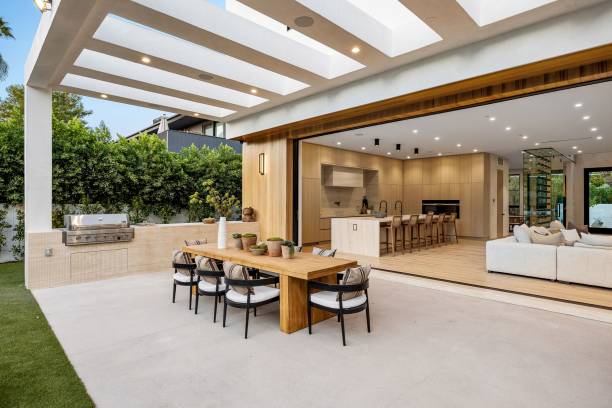
Building an outdoor kitchen without considering shade, particularly in Texas's intense summer heat, results in a space that's genuinely uncomfortable to use during much of the year, undermining the entire investment.
How to avoid it: Plan for a pergola, patio cover, or other shade solution as part of your overall project, rather than treating comfort as an afterthought.
Using materials or appliances not specifically designed for outdoor exposure often leads to premature deterioration, rust, or warping well before the kitchen would otherwise need replacement.
How to avoid it: Confirm every material and appliance choice is specifically rated for outdoor use, resisting the temptation to save money with indoor-grade alternatives.
Positioning an outdoor kitchen without considering its relationship to the broader landscape — nearby seating, the main house, or other outdoor living features — can result in a disjointed overall backyard design rather than a cohesive outdoor living space.
How to avoid it: Plan your outdoor kitchen as part of your overall landscape design, ensuring it connects logically with other features rather than existing in isolation.
Building an oversized, elaborate outdoor kitchen with features that don't match your actual cooking and entertaining habits leads to wasted investment in capabilities you won't genuinely use.
How to avoid it: Honestly assess how you actually cook and entertain, prioritizing features that align with real usage patterns rather than an idealized vision that doesn't match your lifestyle.
Failing to plan adequate task and ambient lighting limits your kitchen's usability once the sun goes down, undermining its value for evening cooking and entertaining.
How to avoid it: Incorporate both functional task lighting for cooking areas and ambient lighting for surrounding spaces into your design from the start.
Attempting to finalize your entire design before consulting with experienced outdoor kitchen designers or contractors can lead to plans that don't account for practical construction realities, utility considerations, or design best practices.
How to avoid it: Involve experienced professionals early in your planning process, allowing their expertise to help shape a design that's both beautiful and genuinely functional.
Avoiding these common outdoor kitchen design mistakes helps ensure your finished space delivers genuine, long-term function and enjoyment, rather than looking impressive in photos while falling short of your actual cooking and entertaining needs.

Ready to design an outdoor kitchen that avoids these common pitfalls? Contact Breaking Ground Outdoor Services to start your custom design consultation.