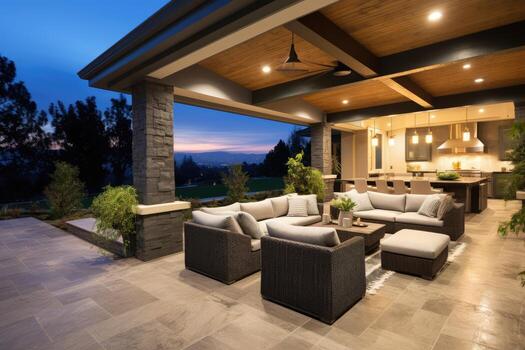
Once you've decided a patio cover is right for your backyard, choosing the right material is one of the most important decisions in the entire project. Each of the main patio cover materials — aluminum, wood, and vinyl — offers distinct advantages in durability, maintenance, and style. This guide breaks down the differences to help you choose confidently.
Aluminum has become an increasingly popular choice among patio cover materials, particularly for homeowners prioritizing durability and low maintenance.
Pros:
Cons:
Wood offers a classic, natural look among patio cover materials, appealing to homeowners who want their patio cover to feel like a warm, traditional extension of their home.
Pros:
Cons:
Vinyl offers a low-maintenance alternative among patio cover materials, providing a clean, uniform appearance with minimal upkeep requirements.
Pros:
Cons:
Given Tyler, TX's combination of intense summer heat, humidity, and occasional severe weather, durability against these conditions is a significant factor in choosing among patio cover materials. Aluminum tends to perform best for long-term durability and minimal maintenance, wood offers unmatched natural aesthetics for homeowners willing to invest in regular upkeep, and vinyl provides a solid middle-ground option balancing low maintenance with a clean, approachable look.
Aluminum offers excellent strength-to-weight characteristics, making it well-suited for larger spans without requiring excessive additional support structure.
Wood requires appropriately sized structural members based on span and load requirements, with larger patio covers sometimes needing additional support posts.
Vinyl patio cover structures are often engineered with internal reinforcement (sometimes aluminum) to provide adequate structural strength while maintaining vinyl's low-maintenance exterior finish.
Generally speaking, wood often has a lower upfront material cost but higher long-term maintenance investment, while aluminum typically carries a higher upfront cost but delivers lower lifetime costs due to minimal required upkeep. Vinyl generally falls in a similar cost range to aluminum, varying based on specific style and structural requirements.
There's no universally "best" choice among patio cover materials — the right option depends on your priorities around maintenance, budget, and aesthetic style. Understanding the tradeoffs between aluminum, wood, and vinyl helps you make a confident, informed decision for your outdoor living space.

Not sure which patio cover material is right for your home? Contact Breaking Ground Outdoor Services for expert guidance and a personalized recommendation.