If your current patio no longer feels like enough space for how you actually use your backyard, a paver patio extension offers a practical way to expand your outdoor living area without starting entirely from scratch. This guide covers what's involved in extending an existing paver patio and key considerations for a seamless result.
As families grow, entertaining habits change, or new features like an outdoor kitchen or fire feature get added to the wish list, an existing patio can start to feel cramped for its actual intended use. Rather than tearing out and completely replacing a functional existing patio, an extension allows you to build onto what's already there, expanding usable space more efficiently.
Finding an Exact Match
For a seamless extension, matching the existing paver's color, size, and style is ideal, though this can sometimes be challenging if the original pavers are an older style that's no longer manufactured or has weathered to a slightly different tone over time.
Working With Close Matches
If an exact match isn't available, choosing a close complementary option, sometimes combined with a deliberate design transition (like a contrasting border between old and new sections), can create an intentional-looking result rather than an awkward mismatch.
Considering a Deliberate Design Change
In some cases, rather than attempting to match imperfectly, homeowners choose to intentionally use a different but complementary paver style for the extension, creating a defined transition that reads as a deliberate design choice rather than an attempted match that falls short.
Matching Base Preparation
The extension area needs the same quality base preparation — proper excavation depth, compaction, and drainage consideration — as the original patio to ensure consistent performance between old and new sections.
Addressing Grade and Drainage Continuity
The extended area needs to integrate properly with the existing patio's grading and drainage, ensuring water continues to flow away from the structure appropriately across the now-larger combined surface.
Edge Restraint at the Transition Point
Proper edge restraint techniques need to be applied not just around the new extension's outer perimeter, but also carefully considered at the transition point between old and new sections to prevent shifting at this seam over time.
Defining the New Layout
Before construction begins, clearly planning how the expanded space will be used — additional seating, an outdoor kitchen area, more room for a dining set — helps ensure the extension is sized and shaped appropriately for its intended purpose.
Considering Overall Proportions
The extended patio should feel proportionate to your overall yard and home, rather than either still feeling too small for its intended use or extending so far that it overwhelms the remaining yard space.
Integrating With Future Plans
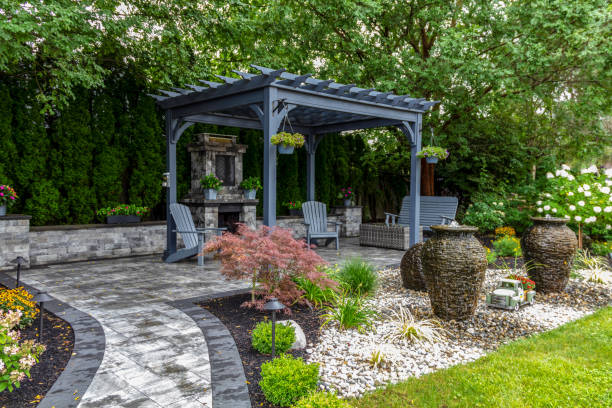
If you're planning additional features down the road, like a pergola or outdoor fireplace, considering these future additions during the extension planning phase helps ensure the expanded space accommodates your longer-term vision.
1. Assessment of Existing Patio
A contractor evaluates the current patio's condition, base preparation, and paver style to inform the extension plan.
2. Planning the New Layout
The extension's size, shape, and paver selection are finalized based on your intended use and desired aesthetic outcome.
3. Excavation and Base Preparation for the New Area
The extension area receives the same quality base preparation as a standalone new patio project would require.
4. Paver Installation
New pavers are installed, with careful attention to creating a clean, level transition with the existing patio surface.
5. Joint Sand and Final Finishing
The extension is finished with appropriate joint sand and any necessary sealing to match the existing patio's appearance and protection level.
If your existing patio is in good structural condition and you're primarily looking for additional space rather than a complete style change, an extension typically offers a more cost-effective solution than tearing out and completely replacing the entire patio. However, if the existing patio shows significant wear or structural issues, addressing these problems as part of a more comprehensive project may make more sense than extending a patio with underlying issues.
A well-planned paver patio extension gives you the additional space you need without the cost and disruption of a complete patio replacement, provided your existing patio is in good condition and the new section is properly integrated both structurally and aesthetically.

Ready to expand your existing patio space? Contact Breaking Ground Outdoor Services for a professional assessment and extension plan.