Before breaking ground on a new pergola, many homeowners wonder whether the project requires a permit. Understanding typical pergola permit requirements helps you plan your project correctly from the start and avoid potential complications with local code enforcement or future property transactions.
Permits exist to ensure structures meet basic safety and code requirements, including proper setbacks from property lines, appropriate structural design for the local climate, and compliance with any applicable zoning restrictions. While pergolas are generally less structurally complex than fully enclosed buildings, many municipalities still require permits depending on the specific project's size and design.
Size of the Structure
Many jurisdictions base permit requirements partly on the pergola's square footage, with larger structures more likely to require a permit than smaller, more modest designs.
Attached vs. Freestanding
Pergolas attached directly to a home sometimes face different permit considerations compared to freestanding structures, since attached designs may affect the home's overall structural and code compliance requirements.
Roof Type
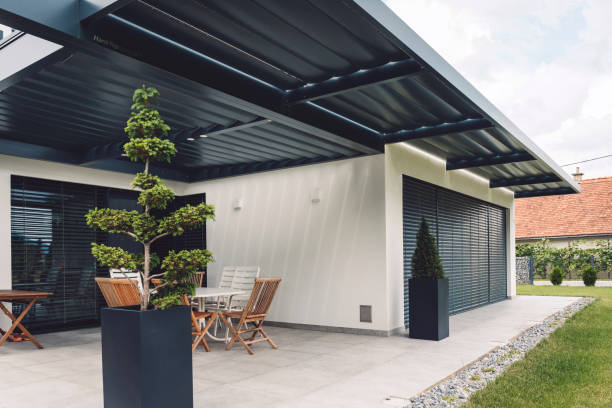
A traditional open-slat pergola may face different requirements compared to a design incorporating a more solid roof structure, since more complete roof coverage can shift a structure's classification in some municipal codes.
Electrical or Plumbing Additions
If your pergola design includes electrical work for lighting or fans, this component often requires its own permit and inspection, separate from any structural permit that might apply to the pergola itself.
Local Zoning Requirements
Beyond building permits specifically, local zoning codes may dictate setback requirements from property lines or maximum structure coverage on your lot, which can affect where and how large a pergola can be built.
1. Initial Design Planning
Before submitting for a permit, your pergola's design, dimensions, and placement need to be finalized, since this information is typically required as part of the permit application.
2. Application Submission
Permit applications typically require submitted plans showing the structure's dimensions, materials, and placement relative to property lines and other structures.
3. Review and Approval
Local building departments review submitted plans for compliance with relevant codes before issuing an approved permit.
4. Construction Inspections
Depending on your jurisdiction and the specific project, one or more inspections may be required during or after construction to confirm the finished structure matches approved plans and meets code requirements.
Building a pergola that requires a permit without obtaining one can create several potential complications: code enforcement issues if the unpermitted structure is discovered, difficulties when selling the property if unpermitted structural work is identified during a real estate transaction, and in some cases, requirements to remove or retroactively permit the structure, which can be more costly and complicated than obtaining the permit correctly from the start.
Familiarity With Local Requirements
A contractor experienced in Tyler, TX and surrounding area pergola construction typically has established familiarity with local permit requirements, helping streamline this aspect of your project.
Handling the Application Process
Many contractors handle the permit application and inspection coordination as part of their overall project management, reducing the administrative burden on homeowners.
Ensuring Compliant Design From the Start
Working with an experienced professional helps ensure your pergola design meets applicable code requirements from the initial planning stage, rather than discovering compliance issues after construction has already begun.
Understanding pergola permit requirements upfront helps ensure your project is built safely, legally, and without unexpected complications down the road, whether that's an issue with code enforcement or complications during a future property sale.

Planning a pergola project and want guidance on permit requirements? Contact Breaking Ground Outdoor Services for expert assistance navigating the process.