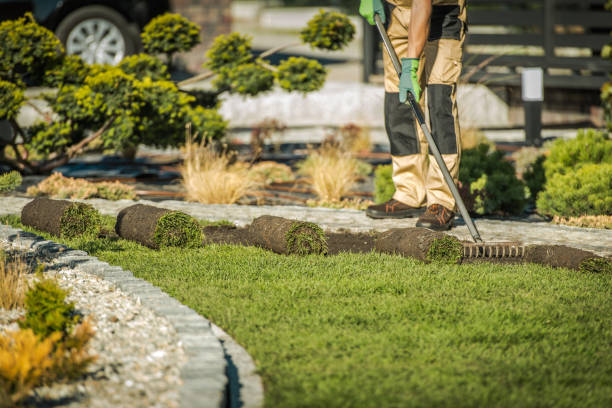
Before new sod can be installed, your existing lawn typically needs to be properly removed to create a clean, well-prepared surface for the new grass to establish successfully. Understanding what's involved in removing your old lawn before sod installation helps you know what to expect during this important preparatory phase.
Simply laying new sod over an existing lawn without proper removal often leads to poor results, since old grass and its root system can compete with new sod for resources, create an uneven surface, and potentially allow old grass to grow back through the new installation over time.
Sod Cutting
A sod cutter, either a manual or motorized tool, slices beneath the existing grass and its root layer, allowing for relatively efficient removal of the old lawn in manageable sections. This method is often preferred for its efficiency and relatively clean results.
Tilling
Tilling the existing lawn breaks up the grass and incorporates it into the underlying soil, though this method typically requires more time for the old vegetation to fully break down and may not be ideal for lawns with particularly established or aggressive grass varieties that could potentially regrow from remaining root fragments.
Herbicide Application Followed by Removal
For particularly stubborn existing grass, an herbicide application to kill the existing lawn before removal can help ensure more complete elimination, reducing the risk of regrowth, though this adds time to the overall process since you'll need to wait for the herbicide to take effect before proceeding with physical removal.
Solarization
This method involves covering the existing lawn with clear plastic during hot weather, using intense heat to kill the grass and weed seeds beneath. While effective, this approach requires several weeks of hot weather to work effectively, making timing an important consideration.
1. Assessing the Existing Lawn
Understanding what grass variety and condition your existing lawn is in helps inform the most appropriate removal method for your specific situation.
2. Choosing and Executing the Removal Method
Whether using sod cutting, tilling, or another approach, this step physically removes or breaks down the existing grass and root system.
3. Removing Debris
Cut sod sections or broken-up old grass material typically need to be hauled away, unless being incorporated back into the soil through composting or tilling.
4. Assessing and Amending Soil
Once the old lawn is removed, evaluating the underlying soil condition helps determine what amendments might be beneficial before new sod installation.
5. Grading and Final Preparation
The exposed soil is then graded and prepared according to standard sod installation preparation practices before new sod can be laid.
Established, Aggressive Grass Varieties
Certain grass types, like Bermuda, are known for aggressive growth and can be more challenging to fully remove, sometimes requiring more thorough removal methods or a combination approach to prevent regrowth.
Uneven Existing Grading
If your existing lawn has developed uneven areas over time, addressing this grading during the removal and preparation phase, rather than simply installing new sod over existing unevenness, is important for a quality final result.
Existing Irrigation System Considerations
If you're planning to reuse an existing irrigation system, care during the removal process to avoid damaging existing irrigation lines or heads is worth specific attention.
Composting
Old sod material can often be composted, eventually breaking down into usable organic material for future garden or landscape use.
Disposal
Depending on local regulations and available options, removed sod material may need to be hauled away for proper disposal.
Reusing in Other Areas
In some cases, if the existing grass is in reasonably good condition and simply being removed to make way for a different landscape feature rather than because of poor health, some sections might potentially be relocated elsewhere on the property, though this requires careful handling and isn't always practical.
Since old lawn removal typically happens as one of the first steps before new sod installation, timing this process appropriately within your overall project schedule, and ideally close to when new sod will actually be installed, helps minimize the amount of time exposed soil sits vulnerable to erosion or weed growth before the new lawn is established.
Properly removing your old lawn before sod installation creates the clean, well-prepared foundation your new grass needs to establish successfully, helping ensure your investment in fresh sod delivers the healthy, attractive lawn you're hoping to achieve.

Ready to replace your old lawn with fresh, healthy sod? Contact Breaking Ground Outdoor Services to schedule your lawn removal and sod installation consultation.