For homeowners eager to get their retaining wall project completed, installation timeline is often a genuine practical consideration alongside cost and aesthetics. Comparing retaining wall blocks vs poured concrete specifically from a construction speed standpoint helps set realistic expectations for your project schedule.
Segmental block and poured concrete retaining walls involve fundamentally different construction processes, which naturally results in different typical timelines, even for walls of similar size and scope.
Faster Overall Process
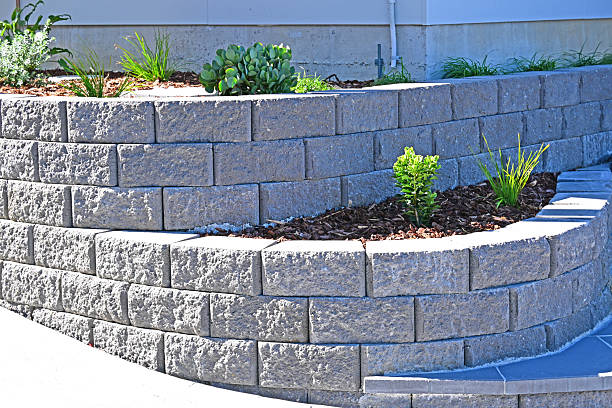
Segmental block walls generally install more quickly than poured concrete, since the interlocking units stack directly without requiring formwork construction, concrete pouring, or extended curing time before the wall is considered structurally complete.
No Curing Time Required
Unlike poured concrete, which needs time to properly cure and reach full strength, segmental block walls achieve their structural stability immediately upon proper installation and backfilling, without a waiting period before the wall can be considered finished.
Simplified Logistics
Since blocks are manufactured off-site and delivered ready for installation, there's no on-site concrete mixing or pouring logistics to coordinate, which can streamline the overall construction schedule.
Formwork Construction Required
Before concrete can be poured, temporary forms need to be built to contain and shape the concrete, adding a construction step not required for segmental block installation.
Concrete Curing Time
Poured concrete typically requires a curing period of at least a few days before forms can be safely removed, and continues gaining strength for weeks afterward, meaning the wall isn't considered fully cured and at maximum strength immediately after pouring.
Weather Sensitivity
Concrete pouring and curing can be more sensitive to weather conditions (extreme heat or rain) compared to segmental block installation, potentially introducing additional scheduling considerations depending on conditions during your specific project timeframe.
For a moderately sized residential retaining wall, segmental block installation might typically be completed in a shorter overall timeframe compared to a similar-sized poured concrete wall, when accounting for the additional formwork and curing time poured concrete requires. However, actual timelines for both approaches vary significantly based on wall height, length, site accessibility, and weather conditions during construction.
Wall Height and Engineering Requirements
Taller walls requiring permits and engineered design may face additional timeline considerations related to plan approval, regardless of which construction material is ultimately chosen.
Drainage System Complexity
A properly designed drainage system takes time to install correctly regardless of wall material, and this shouldn't be rushed to save time given how critical proper drainage is to long-term wall performance.
Site Accessibility
Difficult site access can slow construction timeline for either wall type, sometimes to a similar degree regardless of which specific material is being used.
While segmental block generally offers a faster construction timeline, this shouldn't be the sole factor in your material decision. Considerations like desired aesthetic, budget, and specific structural requirements for your particular site and wall height should carry significant weight alongside timeline preferences.
Regardless of which material you choose, rushing critical steps like proper base preparation and drainage installation to save time is never advisable, since these elements are fundamental to your wall's long-term performance and cutting corners here to save a few days can lead to much more significant time and cost consequences if the wall later requires repair.
Understanding the general timeline differences between retaining wall blocks vs poured concrete helps set realistic expectations for your specific project, while remembering that proper installation quality should always take priority over speed alone.

Ready to discuss timeline and material options for your retaining wall project? Contact Breaking Ground Outdoor Services for a professional consultation.