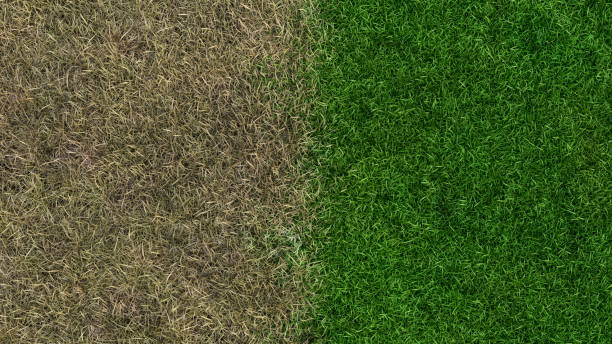
When planning a new lawn, homeowners generally face two paths: sod vs seed. While seeding has a lower upfront cost, sod offers a range of practical advantages that make it the preferred choice for many homeowners, particularly those wanting reliable, fast results. This guide breaks down the key differences to help you decide.
Seeding involves spreading grass seed across prepared soil and waiting for it to germinate, grow, and eventually fill in as a mature lawn — a process that can take weeks to months depending on grass type and conditions.
Sod is already-grown grass, harvested with its root system intact and installed as an instant, established lawn surface.
This is one of the most significant differences in the sod vs seed comparison. Seeding requires patience — germination alone can take one to three weeks depending on grass variety and conditions, with full establishment often taking several months. Sod, by contrast, provides an essentially instant, mature-looking lawn from the day of installation, with the main waiting period being root establishment rather than growth from scratch.
Seeding carries more variables that can affect success — inconsistent watering, birds or wildlife disturbing seeds, weather events washing away seed before germination, or uneven germination creating a patchy result.
Sod offers much more predictable, consistent results, since it arrives as already-established grass rather than depending on successful germination across an entire area.
Seeding creates a vulnerable window where bare soil is exposed for an extended period before grass fully establishes, creating opportunity for weed seeds to germinate and compete with your new lawn.
Sod significantly reduces this vulnerability window, since the dense, already-established grass provides much less opportunity for weed germination compared to bare or sparsely seeded soil.
Newly seeded areas are particularly vulnerable to erosion from rain or wind before grass roots establish, especially on sloped areas.
Sod provides immediate erosion protection, since its root system, while still establishing into the surrounding soil, already holds the existing soil in place from day one.
Seeding generally has a lower upfront material cost, making it an appealing option for very large areas or tighter budgets.
Sod typically carries a higher upfront cost due to the labor and material involved in growing, harvesting, and installing already-mature grass, though many homeowners view this as a worthwhile investment given the significant advantages in time, reliability, and immediate usability.
Seeded lawns typically require an extended period, often several weeks to months, before they can handle normal foot traffic without damaging still-establishing grass.
Sod can often handle light foot traffic within just a couple of weeks, offering a much faster path to a fully usable lawn.
Seeding can be a practical choice for very large areas where sod's higher cost becomes a significant budget factor, or for homeowners who aren't in a hurry for immediate results and are comfortable managing the additional care and patience seeding requires.
Given Texas's intense summer heat, periodic watering restrictions, and the general desire for a reliable, attractive lawn without prolonged uncertainty, sod's advantages in speed, consistency, and immediate erosion protection make it the preferred choice for most residential applications, particularly for homeowners wanting dependable results without an extended waiting and hoping period.
While both sod and seed can technically result in a healthy lawn, the sod vs seed comparison consistently favors sod for homeowners wanting fast, reliable, predictable results — particularly important in Texas's challenging climate conditions where extended establishment periods carry more risk.

Ready for a fast, reliable new lawn? Contact Breaking Ground Outdoor Services to schedule your sod installation.