Not all retaining walls are built the same way. Depending on your yard's slope, soil conditions, budget, and desired look, certain types of retaining walls will perform better and look more appropriate than others. This guide breaks down the most common retaining wall types so you can make an informed decision for your property.
Choosing among the different types of retaining walls isn't just a style decision — each option has different structural characteristics, cost implications, and ideal use cases. Understanding these differences helps ensure you choose a wall that performs well for your specific site conditions, not just one that looks good in a photo.
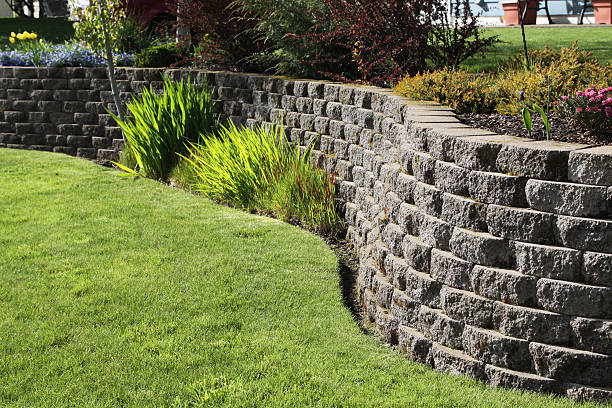
Among the most common types of retaining walls for residential properties, segmental block systems use interlocking concrete units that stack without mortar.
Advantages:
Best for: Most residential applications, from small garden walls to taller structural walls requiring engineering.
A solid, continuous concrete structure poured on-site, offering exceptional strength for larger, load-bearing applications.
Advantages:
Best for: Taller walls, walls supporting significant structural load, or situations requiring maximum strength.
Built using natural stone materials, either dry-stacked or with mortar, offering a premium, organic aesthetic.
Advantages:
Best for: Homeowners prioritizing a high-end, natural look, often for feature walls or front-yard applications.
Built using pressure-treated wood, once a common choice but less frequently used today for structural applications.
Advantages:
Considerations:
Best for: Smaller, less structurally critical applications, or temporary landscape features.
Constructed using wire cages filled with stone, offering a distinctive, textured industrial look.
Advantages:
Best for: Homeowners wanting a unique aesthetic, or properties where enhanced drainage performance is a priority.
Durability
Poured concrete and segmental block tend to offer the longest lifespan with proper installation, followed closely by natural stone and gabion, while timber generally has the shortest lifespan among common options.
Cost
Timber often carries a lower material cost, though segmental block tends to offer strong value considering its durability and versatility. Natural stone and custom poured concrete typically represent higher-cost options.
Aesthetic Flexibility
Segmental block offers the widest range of styling options through color and texture choices, while natural stone provides the most distinctive, premium look. Gabion offers a unique, modern-industrial aesthetic not achievable with other types.
Drainage Performance
Gabion walls naturally excel here due to their open structure, though all retaining wall types can perform well with a properly engineered drainage system behind them.
For most residential applications: Segmental block offers the best balance of durability, cost, and design flexibility.
For taller, structural walls: Poured concrete provides maximum strength for significant soil loads.
For a premium, natural aesthetic: Natural stone delivers a distinctive look that ages beautifully.
For a unique, modern aesthetic with strong drainage: Gabion walls offer both function and visual distinction.
Understanding the different types of retaining walls available helps you make an informed decision that balances durability, cost, and aesthetics for your specific property needs.

Not sure which retaining wall type fits your property? Contact Breaking Ground Outdoor Services for a professional recommendation and estimate.