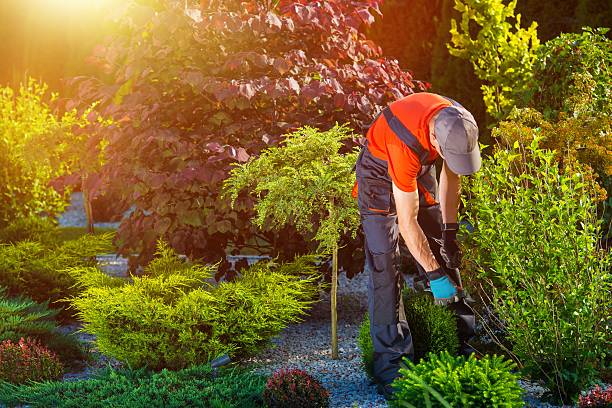
Landscape installation day is exciting, but the work isn't quite finished once the crew leaves. The weeks and months following installation are critical for helping your new plants, sod, and hardscape settle in properly. Knowing what to expect after landscape installation helps you provide the right care during this important establishment period.
After landscape installation, new plants and sod are working to establish root systems in their new environment. This process takes time and requires more attentive care than an established landscape typically needs, since new plantings are more vulnerable to stress during this window.
New Plants and Trees
Newly installed trees and shrubs typically require more frequent, consistent watering than established plantings for the first several weeks to months, depending on the plant type and size. Deep, less frequent watering encourages roots to grow downward and outward, rather than staying shallow near the surface.
New Sod
Fresh sod requires the most attentive watering of any element in a landscape installation, often needing multiple short watering sessions per day during the first week to prevent drying out before roots establish.
Adjusting Over Time
As establishment progresses, watering frequency should gradually decrease while watering depth increases, transitioning toward a normal, sustainable long-term watering routine.
Some Initial Stress Is Normal
It's common for new plants to show mild signs of stress — slight wilting or minor leaf drop — during the first few weeks as they adjust to their new location. This typically resolves as root systems establish, assuming proper care is provided.
Growth May Appear Slow Initially
Many plants focus energy on root establishment before showing significant above-ground growth, so don't be alarmed if visible growth seems minimal in the first several weeks after installation.
Mulch Settling
Freshly applied mulch may settle and compact somewhat over the following weeks, which is a normal part of the material integrating into the landscape.
Initial Establishment Signs
Within the first couple of weeks, you should begin noticing new sod resisting a gentle tug test, indicating roots are beginning to connect with the soil below.
First Mowing
Most new sod is ready for its first mow within a few weeks of installation, once establishment has progressed sufficiently, typically set at a slightly higher mowing height than normal for this initial cut.
Color Changes
Some sod varieties may show minor color changes during the establishment period as they adjust to their new environment, which typically resolves as the lawn fully establishes.
Settling Period
Newly installed hardscape features like patios, walkways, and retaining walls may experience minor settling during the first several months as the base material and surrounding soil adjust.
Joint Sand Adjustment
For paver installations, joint sand may need minor touch-ups during the following months as it settles into place through natural weather exposure and light use.
Yellowing Sod
This often indicates a watering inconsistency — either too much or too little — and typically resolves once watering is adjusted appropriately.
Wilting New Plants
Mild wilting during the first couple of weeks is often normal transplant stress, but persistent wilting despite proper watering may indicate an issue worth having assessed.
Minor Cracks in New Hardscape
Very fine hairline cracks in mortar joints or similar areas can sometimes occur during initial settling and are generally not a cause for concern, though any significant cracking should be evaluated.
Understanding what to expect after landscape installation helps you provide the right care during this critical establishment window, setting your new plants, sod, and hardscape features up for long-term health and beauty.

Have questions about caring for your recently installed landscape? Contact Breaking Ground Outdoor Services for guidance and support.