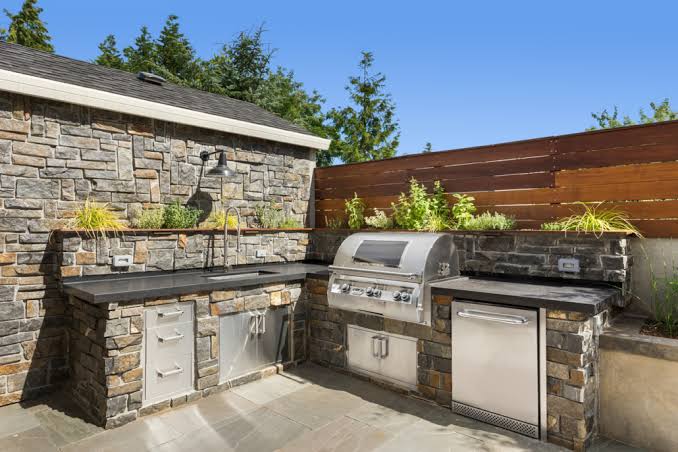
Even in Texas's relatively mild winters, taking a few proactive steps to winterize your outdoor kitchen helps protect your investment from occasional cold snaps and reduces wear during the months when the space typically sees less frequent use. This guide covers practical winterization steps for your outdoor cooking space.
While Tyler, TX doesn't experience the harsh winters found in many other parts of the country, occasional freezing temperatures and generally reduced outdoor kitchen use during cooler months make some protective measures worthwhile, both for immediate protection and long-term equipment longevity.
Draining Water Lines
If your outdoor kitchen includes a sink or other water features, draining these lines before an expected freeze helps prevent potential pipe damage from ice formation.
Insulating Exposed Pipes
For any water lines that can't be fully drained, pipe insulation provides an additional layer of protection during occasional freezing conditions.
Disconnecting and Storing Hoses
Any hoses connected to your outdoor kitchen area should be disconnected and properly drained before freezing temperatures, since water trapped in a hose can freeze and potentially cause damage.
Covering Grills and Other Equipment
Using weatherproof covers designed specifically for your outdoor kitchen appliances protects them from both moisture and debris during periods of reduced use.
Cleaning Before Storage or Reduced Use
Thoroughly cleaning grills and other appliances before an extended period of reduced winter use helps prevent residue or grease buildup from causing issues or attracting pests during this time.
Checking Refrigeration Components
If your outdoor kitchen includes a refrigerator, confirming it's operating properly and checking for any needed maintenance before winter helps ensure reliable performance, since certain refrigeration components can be sensitive to extreme temperature swings.
Applying Appropriate Sealant
If your countertop material requires periodic sealing, ensuring this maintenance is current before winter helps protect against moisture infiltration during the wetter months Texas winters can sometimes bring.
Removing Debris Regularly
Even during reduced-use months, periodically clearing leaves or debris from counter surfaces prevents staining or moisture retention issues.
Confirming Proper Sealing on Seams and Joints
Checking that cabinet doors and joints are properly sealed helps prevent moisture infiltration during Texas's occasional winter rain, protecting the interior storage space from potential water damage.
Removing Moisture-Sensitive Items
Storing particularly moisture-sensitive items elsewhere during winter months, if your cabinetry isn't fully weatherproof for extended storage, adds an extra layer of protection.
Monitoring Weather Forecasts
Since Texas can experience occasional but significant cold snaps, staying aware of forecasted freezing temperatures allows you to take proactive protective measures (draining lines, covering equipment) before conditions actually arrive.
Having a Freeze Protocol Ready
Establishing a simple checklist for what to do when a freeze is forecasted — drain lines, cover equipment, disconnect hoses — makes responding quickly and effectively easier when needed.
Texas Winters Often Allow Continued Use
Given generally mild conditions outside of specific cold snaps, many homeowners continue using their outdoor kitchen throughout most of the winter season, particularly if the space includes complementary features like a pergola with heating elements or an adjacent outdoor fireplace.
Extending Comfort With Heating Elements
Adding features like outdoor heaters or positioning the kitchen near an outdoor fireplace can extend comfortable use of your outdoor kitchen even during cooler months, maximizing the value of your investment throughout the year.
Thorough Cleaning and Inspection
As warmer weather returns, a thorough cleaning and inspection of all components helps identify any issues that may have developed during winter months and ensures your outdoor kitchen is ready for the busier entertaining season ahead.
Checking Appliance Function
Testing that grills, refrigeration, and other equipment are functioning properly after a period of reduced use helps catch any issues before you're relying on the space for spring and summer entertaining.
Taking a few proactive winterization steps helps protect your outdoor kitchen investment during Texas's cooler months, ensuring your space remains in excellent condition and ready for the extensive use it will see once warmer weather returns.

Have questions about protecting your outdoor kitchen through the seasons? Contact Breaking Ground Outdoor Services for guidance and maintenance recommendations.