Among the popular grass varieties available for Texas lawns, Zoysia sod has developed a strong following for its dense, attractive appearance and impressive durability. But like any grass variety, it comes with specific characteristics that make it a great fit for some yards and less ideal for others. This guide covers what homeowners should know before choosing Zoysia sod.
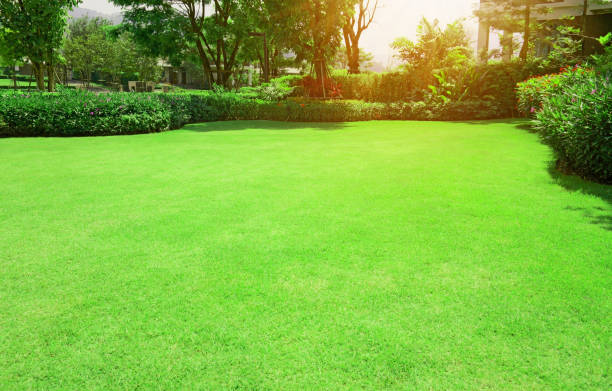
Zoysia is known for its dense, fine-to-medium textured blades that create a thick, carpet-like lawn appearance. It has a well-earned reputation for durability, drought tolerance, and a rich green color that many homeowners find particularly appealing compared to some other common Texas grass varieties.
Dense, Attractive Growth Habit
Zoysia's naturally dense growth pattern creates a thick, uniform lawn appearance that many homeowners consider more visually appealing than thinner grass varieties.
Strong Drought Tolerance
Once established, Zoysia sod handles Texas heat and dry conditions well, requiring less supplemental watering compared to some higher-water-demand grass varieties.
Good Traffic Tolerance
Zoysia's dense growth habit and strong root system allow it to handle moderate foot traffic well, making it a practical choice for active households.
Slower Growth Rate
Compared to some faster-growing varieties, Zoysia's slower growth rate means less frequent mowing is typically needed to maintain a tidy appearance.
Fewer Weed Issues
Zoysia's dense growth habit naturally crowds out many weed varieties, potentially reducing the need for aggressive weed control compared to thinner grass types.
Slower Establishment
Zoysia sod generally establishes more slowly than some faster-growing varieties like Bermuda, meaning it may take a bit longer to fully root and show vigorous growth after installation.
Winter Dormancy Appearance
Like most warm-season grasses, Zoysia goes dormant and turns brown during winter months, which some homeowners find less desirable compared to cooler-season grass options, though this is a characteristic shared with most common Texas grass varieties.
Thatch Buildup Potential
Zoysia's dense growth habit can sometimes lead to thatch buildup over time if not properly managed through occasional dethatching or aeration.
Higher Sod Cost
Zoysia sod often carries a higher price point compared to more common varieties like Bermuda, reflecting its premium appearance and characteristics.
Zoysia vs. St. Augustine
Zoysia generally offers better drought tolerance and a finer texture, while St. Augustine typically handles shade better and may establish somewhat faster.
Zoysia vs. Bermuda
Zoysia offers a denser, often more visually appealing growth habit, while Bermuda typically establishes faster and tolerates slightly more intense heat and drought stress.
Zoysia performs best in areas with full sun to light shade, moderate to well-draining soil, and consistent (though not excessive) watering during the establishment period. It's a strong choice for homeowners wanting a premium, dense lawn appearance who are willing to invest slightly more upfront for the visual and durability benefits Zoysia offers.
For homeowners prioritizing a dense, premium-looking lawn with strong drought tolerance and good traffic durability, Zoysia sod represents an excellent investment, particularly for properties with adequate sun exposure. Understanding its specific characteristics — including the slightly higher cost and slower establishment period — helps set realistic expectations for a lawn that, once established, delivers a genuinely impressive result.

Considering Zoysia sod for your lawn? Contact Breaking Ground Outdoor Services to discuss whether it's the right fit for your property.